







The topic in brief
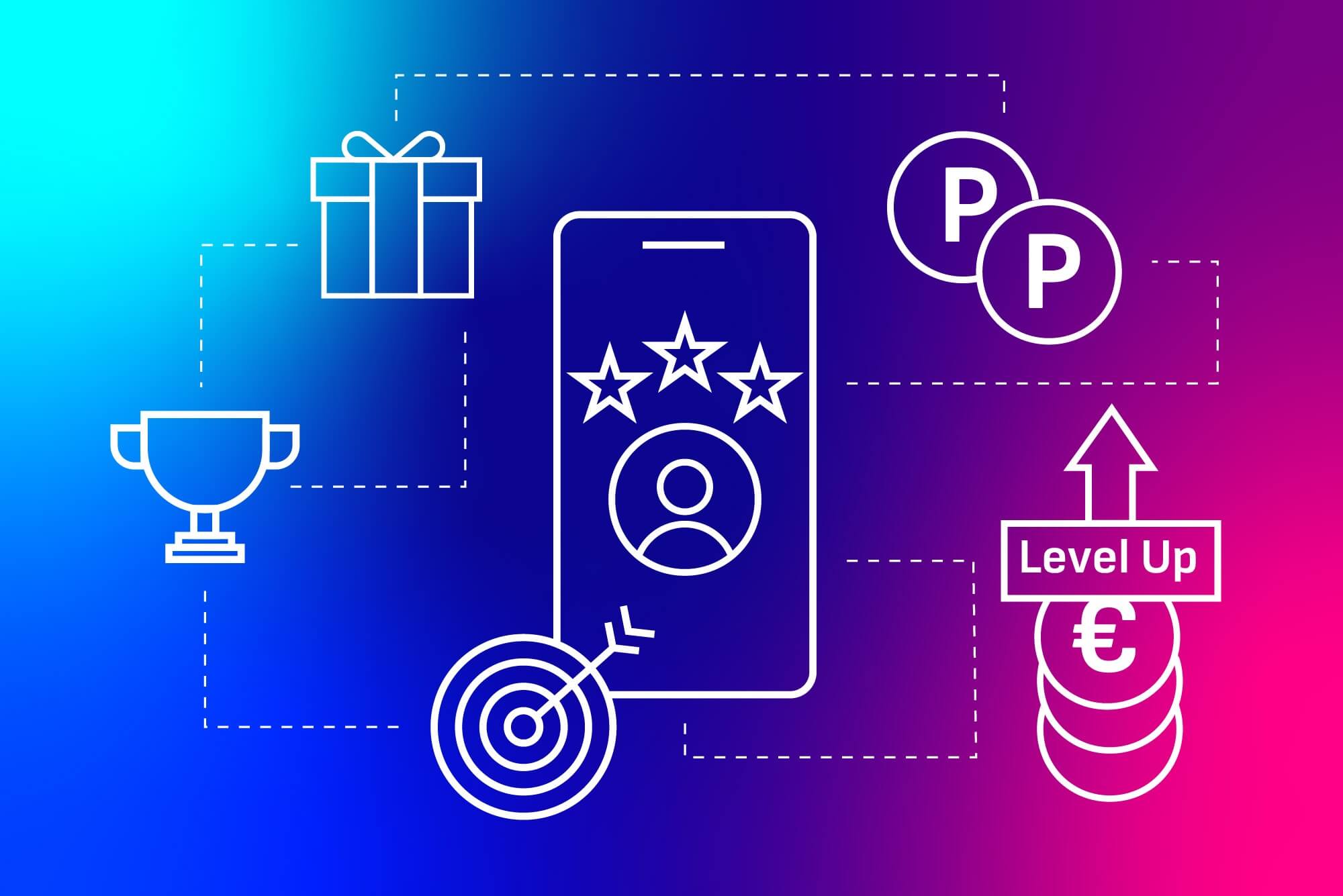
- More than just collecting points: Gamification complements classic loyalty programs with emotional engagement through game mechanics like challenges, status levels, and badges.
- Significant impact: While engagement increases, customer churn can demonstrably decrease.
- DACH focus: In the DACH market, gamification works when it creates genuine added value: transparency, relevant rewards, and clear mechanics are the foundation for sustainable customer loyalty.
- Implementable step-by-step: From goal definition to KPI measurement, gamification can be systematically integrated into existing programs.
- Convercus as a solution: Convercus Loyalty Software natively integrates gamification & challenges – modular, omnichannel, and without significant IT effort.
Why do even established loyalty programs lose effectiveness after just a few months? Because discounts and bonus points alone don't create genuine loyalty. Today, customers expect more from companies than purely transactional rewards: they seek experiences, progress, and recognition. This is precisely where gamification comes in. Convercus' Loyalty Software natively integrates playful elements like challenges, status levels, and personalized rewards into your customer loyalty program, to turn occasional buyers into loyal, repeat customers.
What is Gamification in Loyalty – and why do people respond so strongly to game mechanics?
Gamification in the context of customer loyalty describes the strategic use of game elements such as points, challenges, levels, and badges in loyalty programs. It's not about sweepstakes or mini-games for entertainment.
Marketing Gamification, also known as gamification, aims at systematic behavioral incentives: Customers are to be motivated through targeted mechanics towards repeat purchases, more frequent interactions, and stronger brand loyalty . The difference from classic punch cards or pure point systems lies in the conscious linking of rewards with specific behaviors.
Why is this so effective? People respond on two levels: Intrinsic motivation through visible progress, where recognition and belonging meet extrinsic incentives like discounts and rewards. Every level achieved, every badge unlocked can activate the body's own reward systems and thus increase customer loyalty or even customer re-engagement .
An empirical study by the University of Zaragoza (2024) confirms: Gamified loyalty programs demonstrably increase customer satisfaction, and satisfied members purchase more frequently, actively recommend the brand, and commit more strongly long-term.
Gamification for Customer Loyalty: Which Gamification Mechanics Truly Engage Customers?
Not every game mechanic has the same effect. What's crucial is which elements in practice have the greatest impact on repeat purchases, customer interaction, and emotional loyalty.
Points and Status Levels
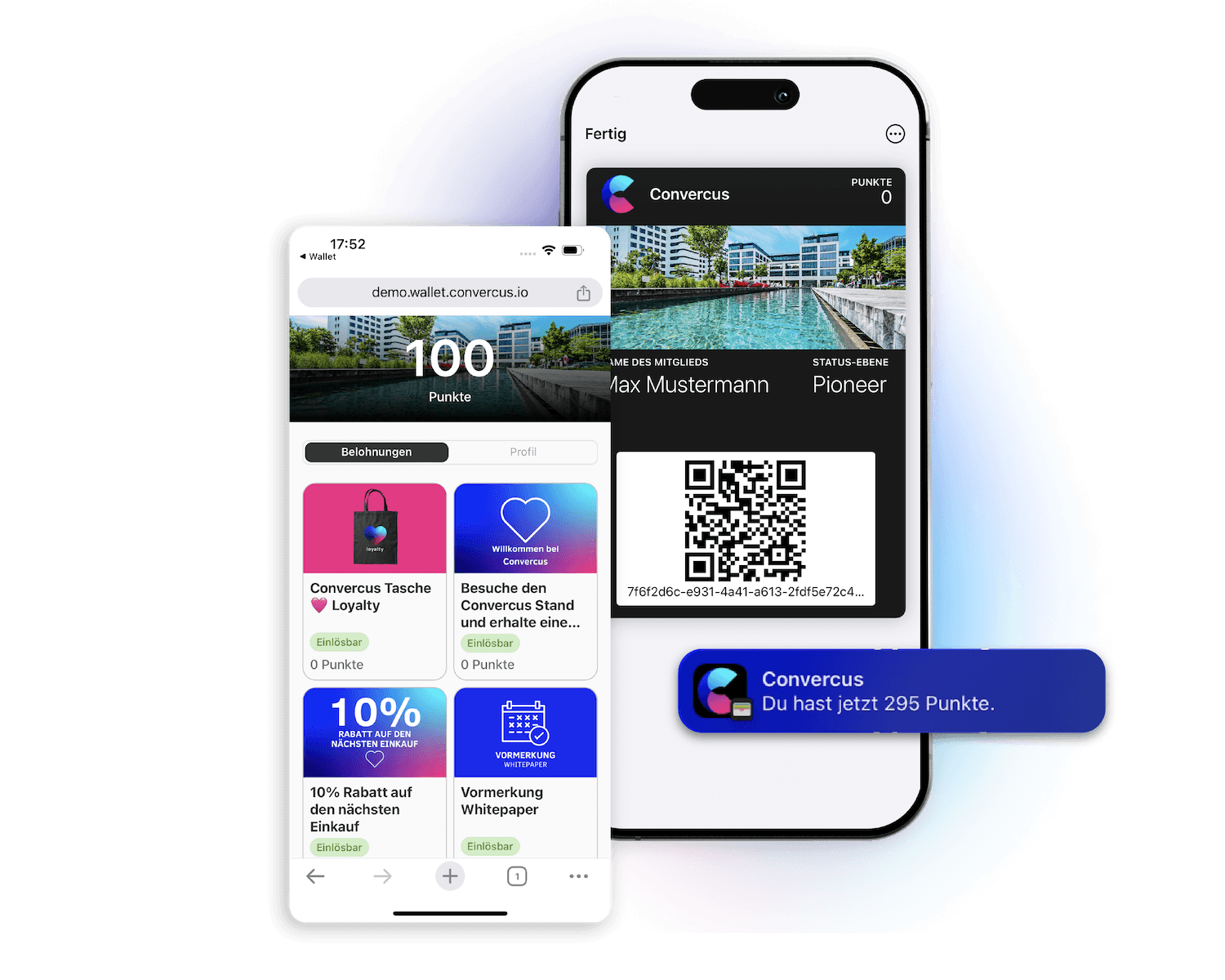
Point systems create a direct incentive for repeat purchases: Every purchase brings customers closer to a reward. However, points alone lose their motivational power over time. Only the combination with status levels like Bronze, Silver, and Gold generates genuine engagement. Customers experience visible progress and actively strive for the next level to unlock exclusive benefits.
The point system as well as the Status Level Management from Convercus precisely reflects this mechanic. The result: up to an 80% redemption rate for collected points in some programs.
Challenges and Time-Limited Missions
Time-limited challenges motivate customers to interact beyond just purchasing. Examples: "Buy 3 products from category X in 2 weeks" or "Visit 5 stores in one month." The psychological trigger behind this is clear: urgency combined with a concrete goal creates a drive to act and enjoyment in achieving.
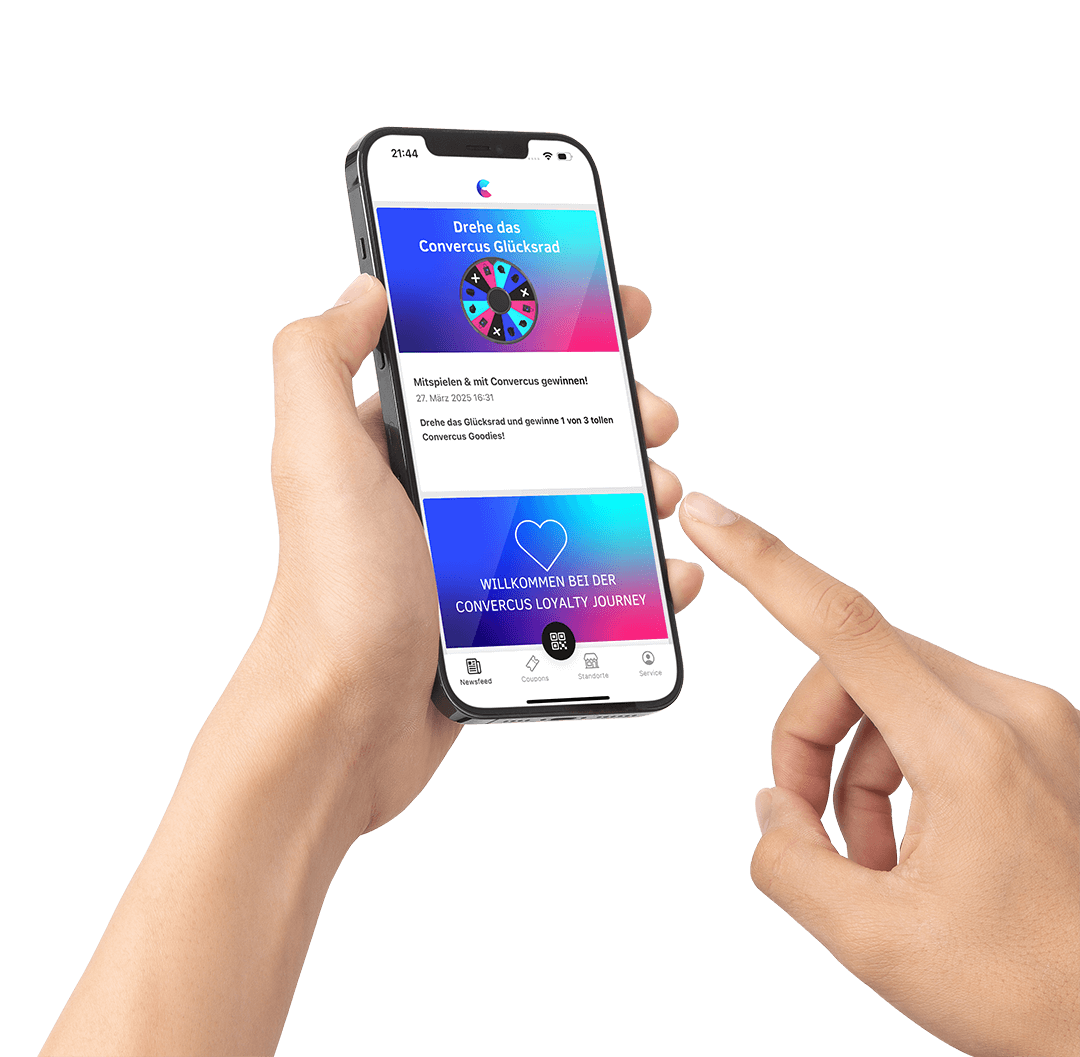
The Gamification & Challenges Module from Convercus allows for the configuration of such missions: event-based, customizable, and seamlessly integrated into the Customer Journey . The Marketing Automation ensures that customers are informed about active challenges at the right time, via push notification, email, or wallet pass.
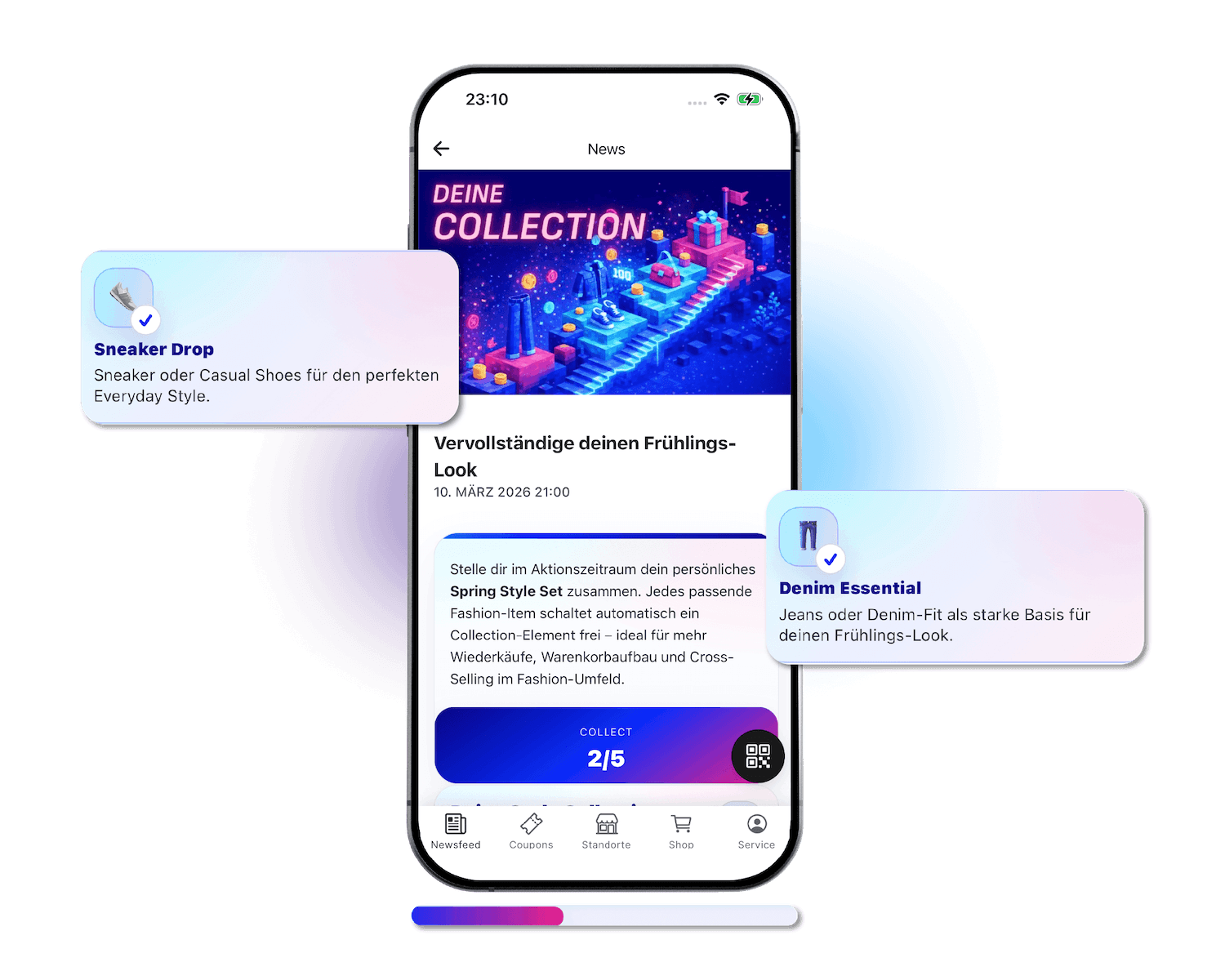
Badges, Rewards, and Exclusive Benefits
Digital badges create a desire to collect and make engagement visible. Every milestone achieved becomes a small recognition that emotionally connects customers to the brand. Exclusive benefits like early access, special events, or personalized rewards reinforce the feeling of being part of a special group.
The Reward & Benefit Management from Convercus allows for the flexible configuration of such rewards: from discounts and bonus points to exclusive experiences that sustainably strengthen customer loyalty .
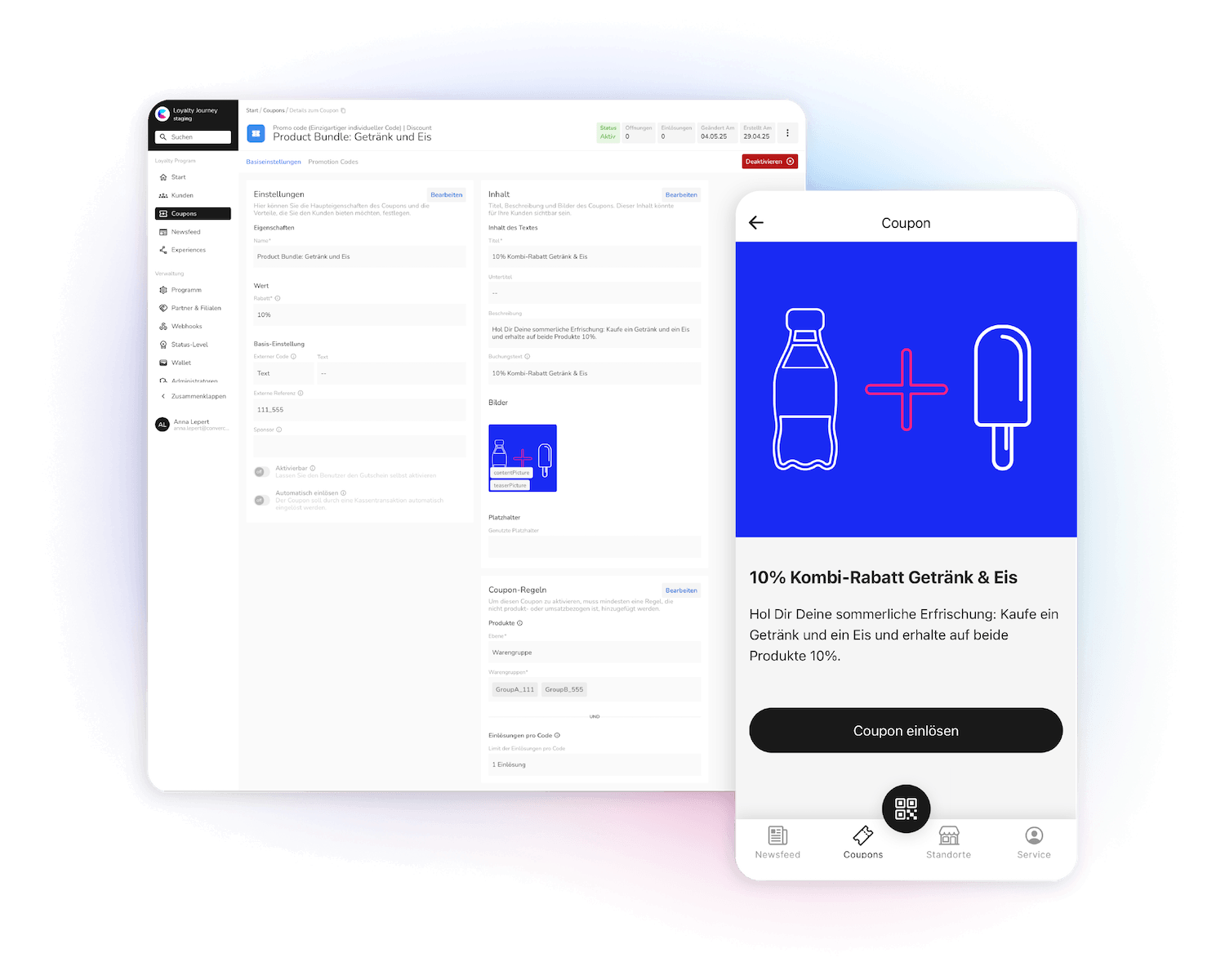
Personalized Challenges
A one-size-fits-all approach to gamification regularly fails. Different customer segments respond differently to game mechanics: Younger target groups prefer competitive elements like leaderboards, while other users respond more strongly to reward-based incentives. Data-driven personalization significantly increases the relevance of each challenge and thus the participation rate.
The AI-powered insights from Convercus make it possible to tailor challenges and rewards individually to customer segments. This is based on purchasing behavior, preferences, and interaction history, so that each customer experiences the gamification strategy that personally motivates them.
Gamification Customer Loyalty B2B: Playful mechanics are no longer solely a B2C topic. B2B2C brands and D2C companies are increasingly relying on challenges and status levels. The crucial difference from traditional retail: The target audience is smaller, purchase cycles are longer, and individual customers are significantly more valuable – which makes personalization even more critical here. Instead of generic challenges, targeted missions are needed, tailored to the specific purchasing behavior and product category of each customer. With Convercus' AI-powered insights, these segment-specific experiences can be efficiently implemented.
How to Implement Gamification into an Existing Loyalty Program – Step-by-Step
Gamification doesn't work as an isolated feature, but as a strategic extension of your existing program. With four clearly defined steps, you can take your gamification strategy from initial idea to measurable impact. Here's how you can proceed:
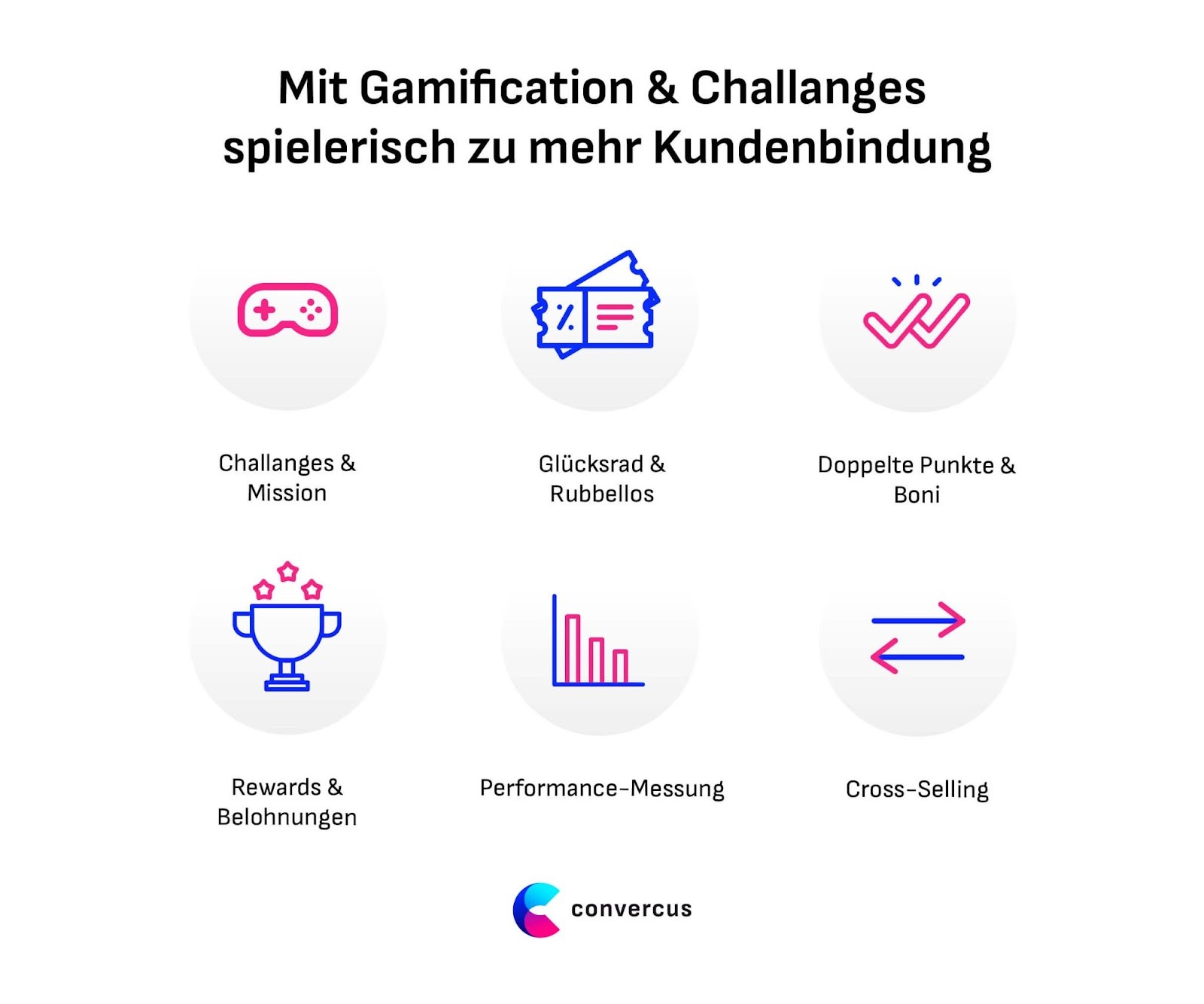
- Define Goals: What exactly should gamification achieve? Whether you want to increase interaction frequency, boost average order value, reactivate inactive customers or generate first-party data: Define clear KPIs from the outset. Without measurable goals, every initiative remains a shot in the dark.
- Analyze Target Audience and Touchpoints: Which mechanics suit your brand and your customers? Where do the crucial interactions take place – in the Loyalty App, at the POS, or in the online shop? The playful elements must match the respective channel and customer journey.
- Configure Elements: With Convercus, integration is achieved without extensive IT effort. Thanks to its modular design, event-based triggers, and API-first architecture challenges, point systems, and rewards can be flexibly combined and individually customized.
- Measure and Optimize: Which KPIs truly matter? Continuous monitoring shows which elements are effective and where adjustments are needed. Only data-driven optimization leads to sustainable success in your customer loyalty strategy.
Avoid common gamification customer loyalty mistakes from the start
Gamification rarely fails due to the idea; in most cases, it's due to implementation. Three common mistakes and how to avoid them:
How leading brands use gamification for customer loyalty
The world's most successful brands systematically use game mechanics to elevate customer loyalty to a new level. Three examples demonstrate how diverse the approaches with customer loyalty software are and why they work:
- Starbucks Rewards: Collect points, achieve status levels, unlock exclusive rewards. The result: 34.3 million active members according to Starbucks' financial reports and a customer retention rate of 44%, which, according to the Ivey Business Review , is almost double the industry average of 25%. Tiered reward systems create visible progress and keep customers engaged long-term.
- Nike+ Run Club: Personalized challenges, badges, and leaderboards motivate users far beyond a purchase. Shared goals and community elements create an emotional connection to the brand that traditional discounts can never achieve.
- Duolingo: Streaks, progress bars, and daily challenges make the language app a master of intrinsic motivation. Visible progress ensures users return every day.
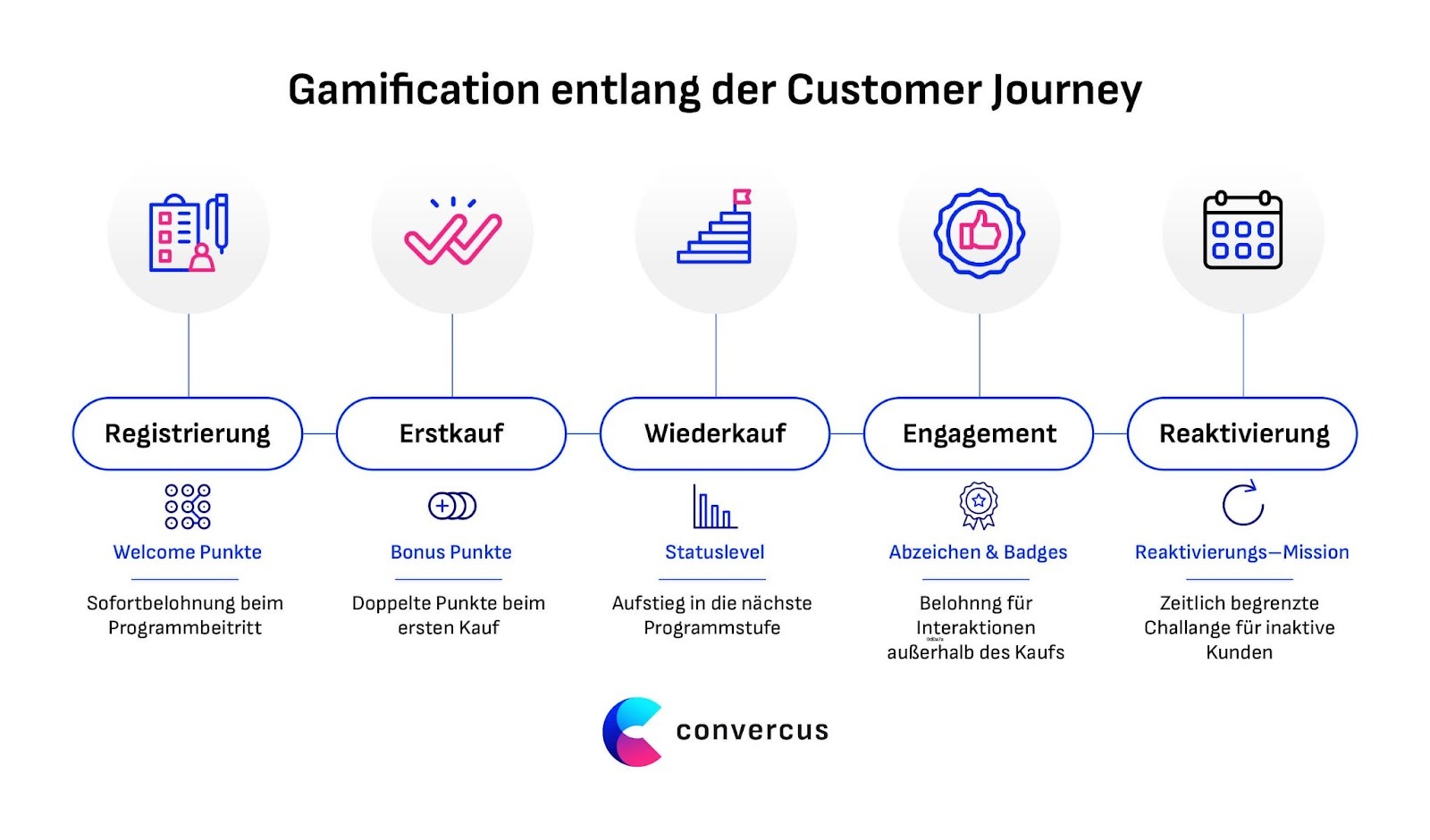
What does this mean for retail and omnichannel businesses? These mechanics are not just a gimmick, but systematic interaction along the entire customer journey: from registration to repeat purchases and the reactivation of inactive customers. Precisely these gamification elements can be implemented with Convercus Loyalty Software, omnichannel, scalable, and without extensive implementation effort. Renowned mid-market and enterprise companies like Euronics and OBI already rely on Convercus as a platform for measurable customer loyalty.
Gamification is effective across all industries – whether in fashion retail or for luxury fashion, in toy stores, bookstores, drugstores, in hotels or even for rest stops. The mechanics can be specifically tailored to the respective purchase cycle and the industry's specific touchpoints.
Conclusion: Gamification as a strategic lever for greater customer loyalty
Gamification is not a short-lived trend, but a strategic toolthat complements classic loyalty programs with the crucial emotional component. Those who systematically use points, challenges, status levels, and personalized rewards increase engagement, reduce churn, and build genuine customer loyalty. Especially in the DACH market, the motto is: added value instead of gimmicks. Transparency, relevance, and real rewards are the key to sustainable engagement that keeps customers coming back.
FAQ
How does gamification work in marketing?
Gamification transfers game mechanics like points, challenges, and status levels into marketing contexts such as customer loyalty programs. The goal is to transform passive customer contacts into active interactions and encourage repeat behavior through targeted feedback, such as points after a purchase or unlocking a status level.
What gamification elements are there?
The most important elements are point systems, status levels, challenges, badges, progress bars, and collections. Additionally, there are interactive formats like spinning wheels or scratch cards. Which mechanics are most effective depends on the goal, such as new customer acquisition, conversion, or long-term customer loyalty.
From what customer base does gamification become worthwhile in a loyalty program?
Gamification unfolds its full potential with a growing customer base. Mechanics like challenges and status levels only become fully effective with sufficient interaction data. Smaller programs can start with simple gamification elements like point systems and badges and gradually expand.
Which gamification elements are particularly suitable for the retail sector?
Point systems with status levels, time-limited challenges like seasonal promotions, and personalized rewards show the strongest impact in retail. It is crucial that the mechanics align with the brand's purchase cycle and touchpoints.
How complex is the implementation of gamification into an existing loyalty program?
With a modular platform like Convercus, the effort is minimal. Thanks to its API-first architecture and no-code configuration, gamification elements can be integrated without extensive IT resources. A proven onboarding playbook further accelerates the rollout. If you are introducing a loyalty program, you can consider gamification from the outset.
How do I prevent gamification from losing its appeal after a short time?
Through regular updates: New challenges, seasonal campaigns, and changing rewards keep the program fresh. Personalization based on customer data ensures content remains relevant. The combination of intrinsic and extrinsic motivation is key to sustainable engagement.
How do I measure the success of gamification initiatives?
Through clearly defined KPIs: redemption rate, interaction frequency, challenge participation rate, repeat purchase rate, and average order value. Continuous monitoring allows for data-driven optimization of mechanics and makes the ROI visible.
Discover how Convercus Loyalty Software easily integrates gamification & challenges – for measurably more engagement.

The most common mistake we see: companies choose gamification elements based on what they find appealing themselves, not on what motivates their customers. The difference between the two is often greater than expected.
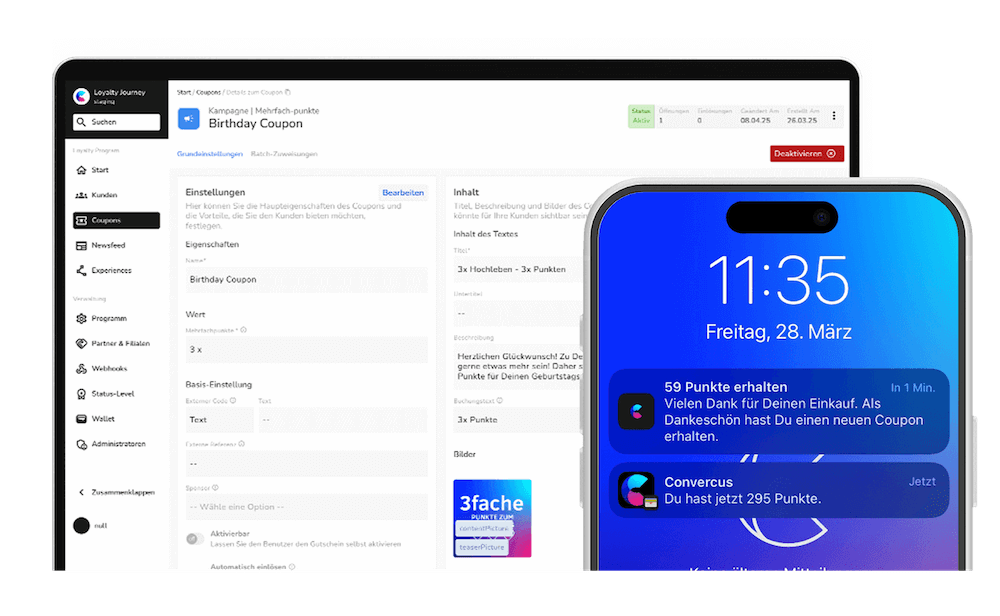
- Challenges, status levels, and rewards that motivate your customers
- Seamless integration into your existing loyalty program
- Measurable results through data-driven personalization