







The topic, short and concise
- Climbing gyms face a real retention challenge. Increasing competition, anonymous day-pass visitors, and fragmented systems mean many operators recognize churn risks too late.
- Loyalty software transforms visits into valuable first-party data. Digital check-in, wallet pass, segmentation, and marketing automation make customer loyalty in climbing gyms measurable and manageable.
- Gamification and community are particularly effective in climbing. Challenges, buddy programs, experience-based rewards, and status models fit the reality of climbing gyms much better than pure discount mechanics.
- Convercus is a suitable loyalty software if customer retention is to be implemented scalably. Especially for larger leisure, hospitality, and multi-location operators, the platform combines loyalty, couponing, and engagement in an integrable architecture.
Why Climbing Gyms Need to Approach Customer Loyalty Systematically
The climbing market is growing, but so is competitive pressure. In Germany, there are now over 500 climbing gyms, with around 220 affiliated with the DAV. Simultaneously, the global market for climbing gyms is estimated to reach approximately $3.66 billion by 2026. For operators, this means: demand is increasing, but regular visitors and members are not automatically retained long-term.
The Hidden Costs of Churn
Even a few percentage points more in retention can significantly boost revenue for climbing gyms. A simple example: A gym with 5,000 active members and an average monthly fee of €45 generates €2.7 million in membership revenue annually. If retention is only 72% instead of 77%, an additional 250 members are lost over a year. This equates to approximately €135,000 in annual revenue, even before factoring in upselling and cross-selling from courses, the shop, gastronomy, or events.
The real weakness is often the data gap
Many climbing gyms barely know their day-pass visitors, and even less about their at-risk members. POS systems, booking, access control, and newsletters operate in parallel, but without a unified customer profile. As a result, a beginner receives the same message after a taster course as a power user who visits four times a week. Those who Customer Loyalty Software strategically implement it close this gap: from the first check-in to the reactivation of inactive members.
What Loyalty Software Specifically Achieves in Climbing Gyms
Loyalty software in climbing gyms doesn't replace the gym management system; instead, it enhances it with retention, personalization, and measurable engagement. Precisely because climbing is already a progressive, social, and playful sport, digital loyalty mechanics are particularly well-suited here.
- Digital check-in transforms anonymous day visitors into known customers. First-party data is generated from the very first visit via QR code, wallet pass, or digital customer card.
- Gamification rewards behavior, not just revenue. Points, challenges, or status levels can incentivize visits, course participation, buddy referrals, and event attendance.
- Marketing automation responds to real usage signals. If visit frequency drops, re-engagement campaigns, couponing, or event invitations can be automatically triggered.

Digital Check-in and First-Party Data
Every gym visit is a valuable data point for retention. When an analog entry becomes a digital check-in, the gym can identify who is new, who visits less frequently, and who is close to canceling their membership. This is particularly important because day-pass visitors often remain completely anonymous otherwise.
Point Systems, Status, and Challenges
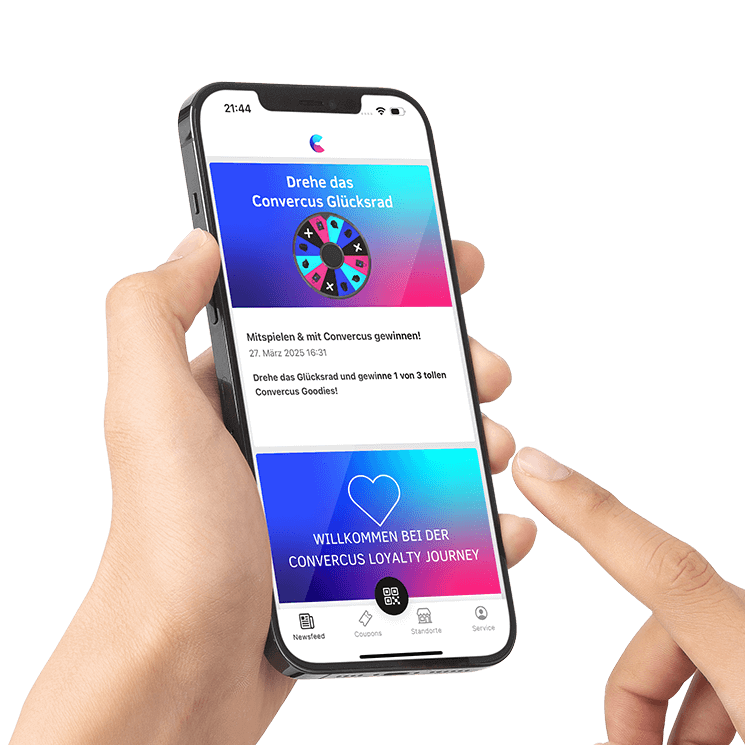
Climbing inherently comes with the logic of a loyalty program. Routes, difficulty levels, personal projects, and challenges create a natural progression. A good program therefore rewards not only purchases but also visits, training series, friend referrals, or community activities. For inspiration on app-based experiences, it's also worth looking at App-first Loyalty.
Personalized Communication Instead of a Shotgun Approach
Bouldering enthusiasts, rope climbers, beginners, families, and competitive climbers all need different incentives. Someone who hasn't visited in three weeks should be approached differently than a high-frequency member. Through Engagement and Couponing such triggers can be linked with relevant offers.
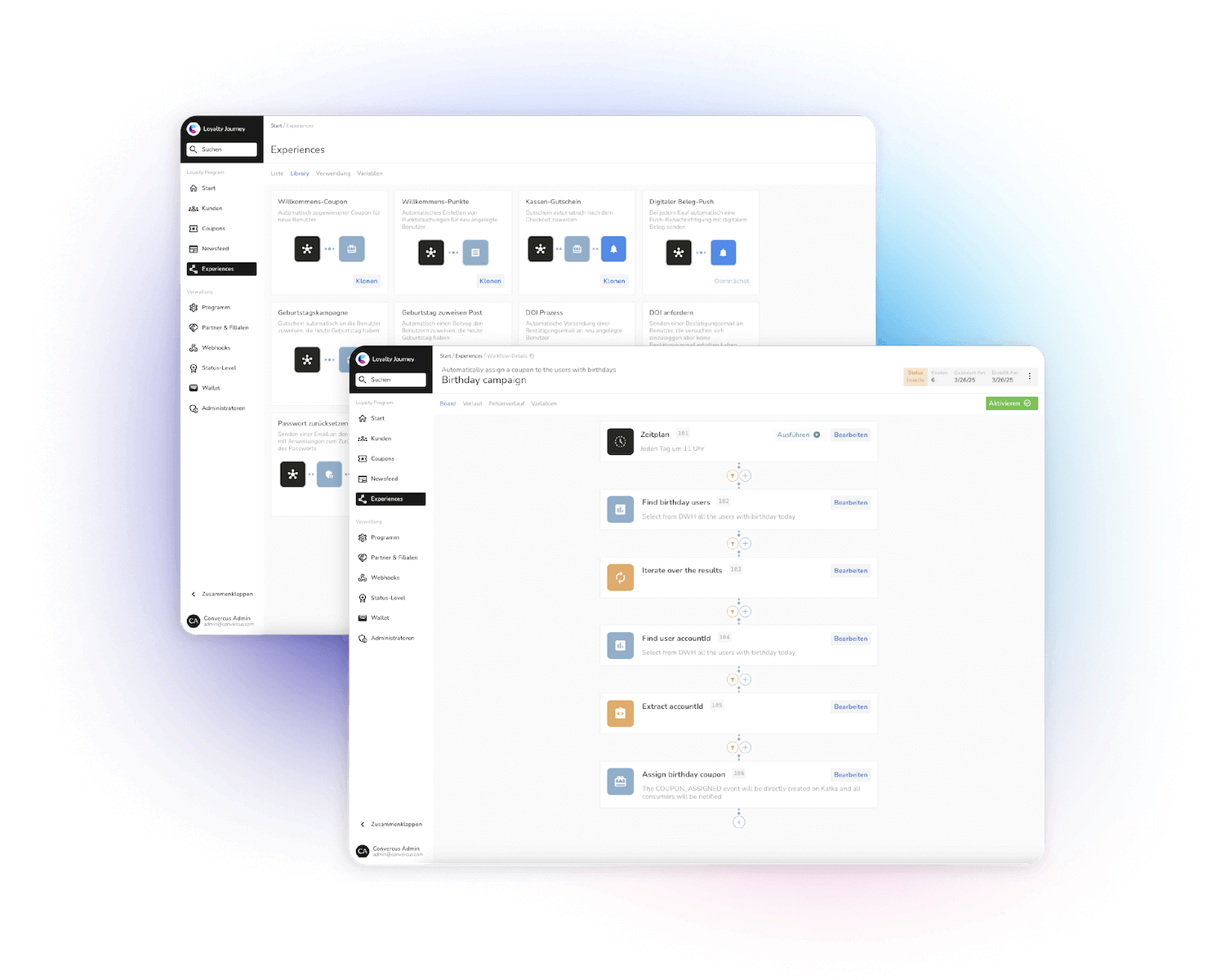
Why Loyalty Works Differently in Climbing Gyms Than in Fitness Studios
Climbing gyms are community hubs, not just functional spaces. People come not only for training but also for their climbing buddy, the route setting, the atmosphere, and the scene. This is precisely why the bond here is more emotional than in many traditional fitness models.
The Climbing Buddy Effect is a Real Retention Lever
Those who build social connections in the gym are less likely to cancel. Referral programs, buddy benefits, team challenges, or exclusive community events not only increase visit frequency but also the switching costs. When circles of friends, climbing teams, or training groups are tied to a gym, loyalty becomes significantly more stable.
Experience Rewards Outperform Discount Logic
In climbing gyms, exclusive experiences usually have a stronger impact than blanket discounts. Examples include early access to new routes, meet-the-setter evenings, technique sessions, preferred event slots, or personalized course offerings. For those who want to know how to sustainably increase customer loyalty, deeper insights can be found here: Increase Customer Loyalty.
Which KPIs Operators Should Really Measure
Without the right metrics, customer loyalty in climbing gyms remains a gut feeling. Particularly relevant are retention rate, visit frequency, day-pass-to-member conversion, and customer lifetime value. In the fitness industry, the average member retention, according to IHRSA, is 72.4%. For climbing gyms, this is a useful benchmark, but not automatically a quality standard.
These Metrics Belong on Every Retention Dashboard
The combination of data is particularly important
Only when visits, revenue, event participation, and communication responses are combined does a reliable churn early warning system emerge. This allows the gym to see whether a member is merely taking a seasonal break or if actual churn is imminent. This is crucial for win-back processes, such as automated reactivation campaigns as described in Customer Win-Back .
How Loyalty Software Interacts with Boulderado, Freeclimber, and Other Systems
Most gyms don't need new complete software, but rather a clean complement to their existing system landscape. Gym software handles sales, booking, access control, or waivers. Loyalty software complements this foundation with segmentation, personalization, couponing, status models, and marketing automation.
API-first is not a nice-to-have in the climbing gym context
If POS, access control, and loyalty are not connected, the customer view remains fragmented. Especially with multiple locations or hybrid leisure offerings, an API-first architecture is crucial. Through Tech & Integration it becomes clear what matters for scalable implementation.
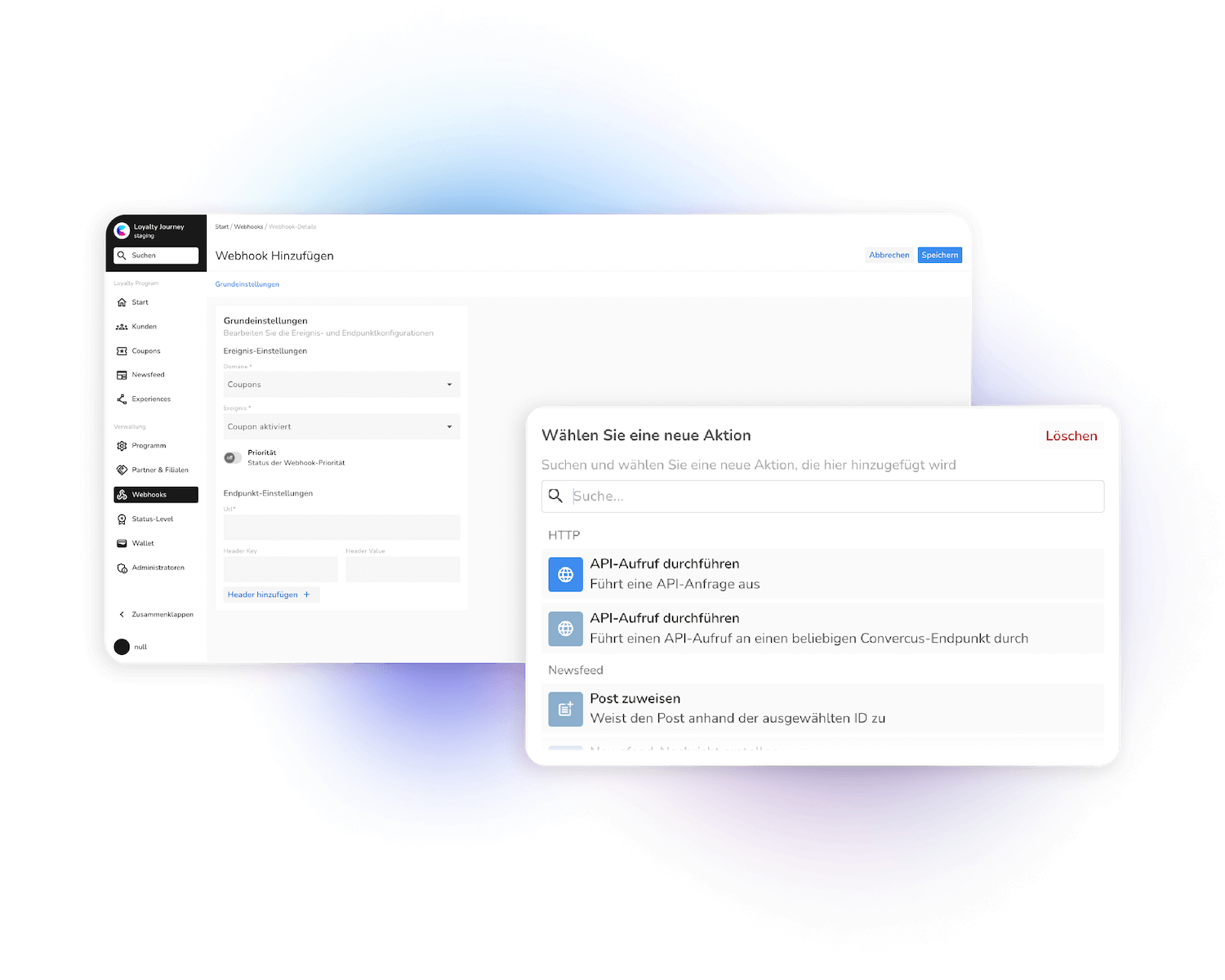
For larger multi-location operators, leisure facilities, or hospitality portfolios, Convercus is particularly relevant when loyalty is to be built not in isolation, but as a scalable platform for loyalty engine, couponing, and engagement. The advantage lies less in another siloed solution than in an integrable architecture focused on performance, omnichannel, and operational control.
GDPR-Compliant Loyalty in Climbing Gyms: What You Need to Consider
Customer loyalty in climbing gyms is only sustainable if it is implemented in a data protection-compliant manner. Primarily, the GDPR is decisive, and for advertising communication, § 7 UWG (German Unfair Competition Act) is additionally relevant. In practice, it's not about collecting as much data as possible, but about processing the right data with a clear legal basis.
- Art. 6 para. 1 lit. b GDPR may apply if data is necessary for contract performance, such as for membership, point crediting, or digital check-in.
- Art. 6 para. 1 lit. a GDPR is relevant if you obtain explicit consent for newsletters, personalized push notifications, or voluntary profile creation.
- Art. 13 GDPR and Art. 5 GDPR mandate transparent information, purpose limitation, and data minimization.
- § 7 UWG generally requires prior consent for promotional emails, unless a narrow existing customer exception applies.
Data Protection Doesn't Have to Be an Innovation Barrier
When consents, data processing agreements, deletion concepts, and role-based access rights are properly organized, loyalty truly becomes robust. Operators should therefore pay attention to consent management, documented processes, and clear integration paths when selecting software. This creates a program that is not only effective but also auditable.
How to Start a Loyalty Program in Your Climbing Gym
The best way to start is not with a perfect grand project, but with a clearly prioritized three-phase rollout. Especially gyms that currently rely on punch cards, monthly subscriptions, and unsegmented newsletters can achieve rapid progress with simple digital measures.
- Phase 1: Establish a Digital Foundation. Implement a digital check-in, simple customer identification, and an initial welcome journey for day-pass visitors and new members.
- Phase 2: Activate Gamification and Community. Add challenges, referral mechanics, event benefits, and segmented coupons for different types of climbers.
- Phase 3: Actively Manage Retention. Set up dashboards, churn signals, reactivation campaigns, and cross-location analytics.
Who Benefits Most from This Effort
Growth-oriented operators with multiple locations, high day-pass frequency, or mixed revenue streams from admissions, courses, food service, and retail benefit the most. This is precisely where the greatest leverage comes from personalization, data consolidation, and marketing automation. Individual, very small gyms can start with smaller setups, while larger leisure and hospitality operators can build a robust business case more quickly.
Conclusion: Understanding Climbers Better Leads to Better Retention
Loyalty software for climbing gyms is not a digital punch card, but a system for retention, community, and measurable growth. It is particularly effective where day-pass visitors are converted into known contacts, visit frequencies are actively managed, and experience rewards are used instead of discount logic. For operators with multiple locations or more complex leisure offerings, this quickly becomes a strategic competitive advantage.
If you want to build a structured loyalty program for your climbing gym or leisure portfolio, Convercus is a suitable solution for scalable loyalty programs, couponing, and engagement. Learn more about the platform and schedule a personal live demo.
FAQ
Is loyalty software worthwhile for a single climbing gym?
Yes, provided there is a sufficient volume of visitor and member data. The investment becomes particularly relevant if you have many day-pass visitors, want to reduce churn, or aim to better activate additional revenue from courses, the shop, and gastronomy.
How complex is the implementation of a loyalty program?
The effort primarily depends on your existing systems and processes. A lean start with digital check-in, segmentation, and a few automations can be implemented much faster than a fully developed omnichannel program across multiple locations.
Does this work with our existing POS system?
In many cases, yes, if the loyalty solution offers open interfaces. What's crucial is not the brand name of the POS system, but whether transaction, visit, and customer data can be cleanly integrated via API or middleware.
Can loyalty software be used in compliance with GDPR?
Yes, if legal bases, consents, and information obligations are properly implemented. Particularly important are clear processes according to Art. 6 and Art. 13 GDPR, a clean data processing agreement, and compliance with § 7 UWG for advertising communication.
What does loyalty software for climbing gyms cost?
Costs vary significantly depending on complexity, number of locations, and integration level. For operators, therefore, the business case is more important than the license price alone: How much does churn decrease, how high is the day-pass conversion, and what additional revenues are activated?
How do I practically start with this topic?
Start with an audit of your touchpoints and data sources. Check where visitors are currently recorded, what data is missing, and where re-engagement, couponing, or community mechanics would have the greatest leverage.


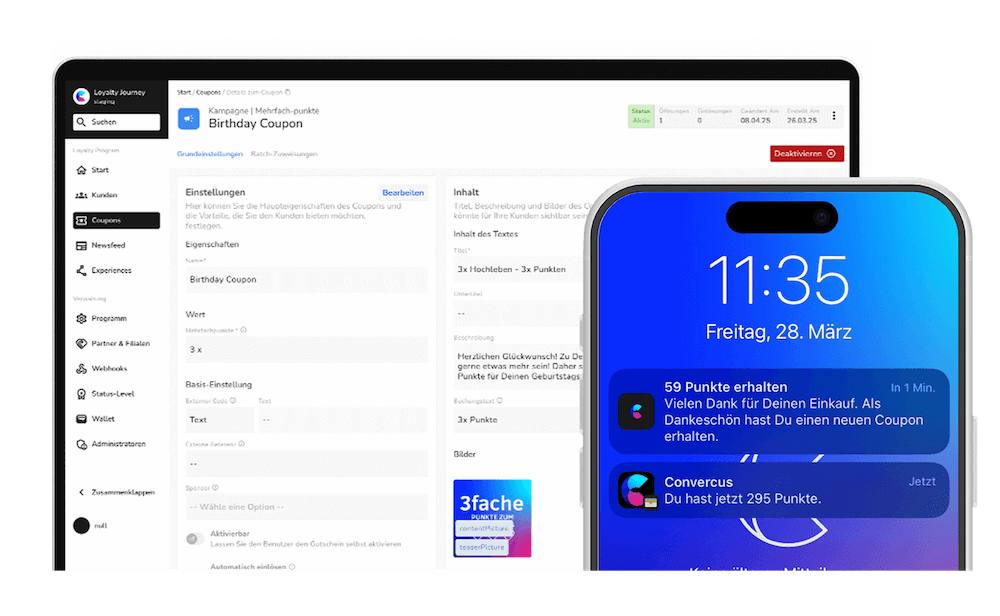
- 5x Return on Investment
- 80% Customer Identification
- 8x Customer Interaction
- +274% Repeat Purchase Rate