.png)








The topic in brief
- Loyalty software for swimming pools is more than just ticketing. It combines admission, season passes, courses, sauna, food and beverage, and communication into a unified visitor profile.
- Classic multi-visit and season passes offer limited loyalty. Only digital identification, personalization, and marketing automation create a manageable customer relationship beyond the season.
- The biggest economic lever lies in retention, cross-selling, and capacity management. Pools can thus increase renewal rates, boost off-peak hours, and strategically expand additional revenue.
- Convercus is scalable loyalty software. For larger leisure, thermal bath, or omnichannel operators, the combination of loyalty, couponing, engagement, and API-first integration is a sensible approach for modern customer retention.
What Loyalty Software for Swimming Pools Really Means
Loyalty software for swimming pools is more than just ticketing, cash register operations, or membership management. It connects admission, season passes, loyalty cards, course bookings, gastronomy, saunas, and digital communication into a unified visitor profile. This is precisely what creates true customer loyalty: not just the sale of a single ticket, but a continuously manageable relationship across all touchpoints.
This is particularly relevant for pool operators, as many municipal facilities, according to the DGfdB, practically never operate profitably.If you can only increase prices moderately, you need to pull other levers: increase return rates, boost additional revenue, better utilize off-peak hours, and build first-party data. Loyalty is therefore not a "nice to have" but an economic management tool.
Unlike a mere season pass, a modern solution recognizes who comes when, how often, and with what usage pattern. This allows families to be addressed differently from early morning swimmers, and sauna guests differently from course participants. If you first want to get an overview of the basic mechanics, you will find further classifications on customer loyalty software in the Convercus magazine, as well as how companies systematically increase customer loyalty..
Why Season Passes and 10-Visit Passes Are Not True Customer Loyalty
While the classic 10-visit pass or annual pass is common in swimming pools, it is usually just a transactional discount model.It reduces the price per visit but often provides no reliable data on usage, preferences, churn risks, or cross-selling potential. Many pools therefore don't know which season pass holders will churn the following year or which occasional visitors could become regular customers.
The problem is particularly evident with outdoor pools: after the season ends, the relationship often breaks off completely. Without digital identification, there's no reactivation channel for winter offers, early-bird sales, or course communication. What remains is passive card sales instead of active customer management.
The crucial difference, therefore, is not analog versus digital, but rather discount versus managed visitor relationship.Only when visits, redemptions, courses, additional purchases, and communication responses converge does a card evolve into a loyalty program.
What Functions Modern Loyalty Software for Pools Should Provide
Digital Bonus Cards, Wallet Passes, and Identifiable Visits
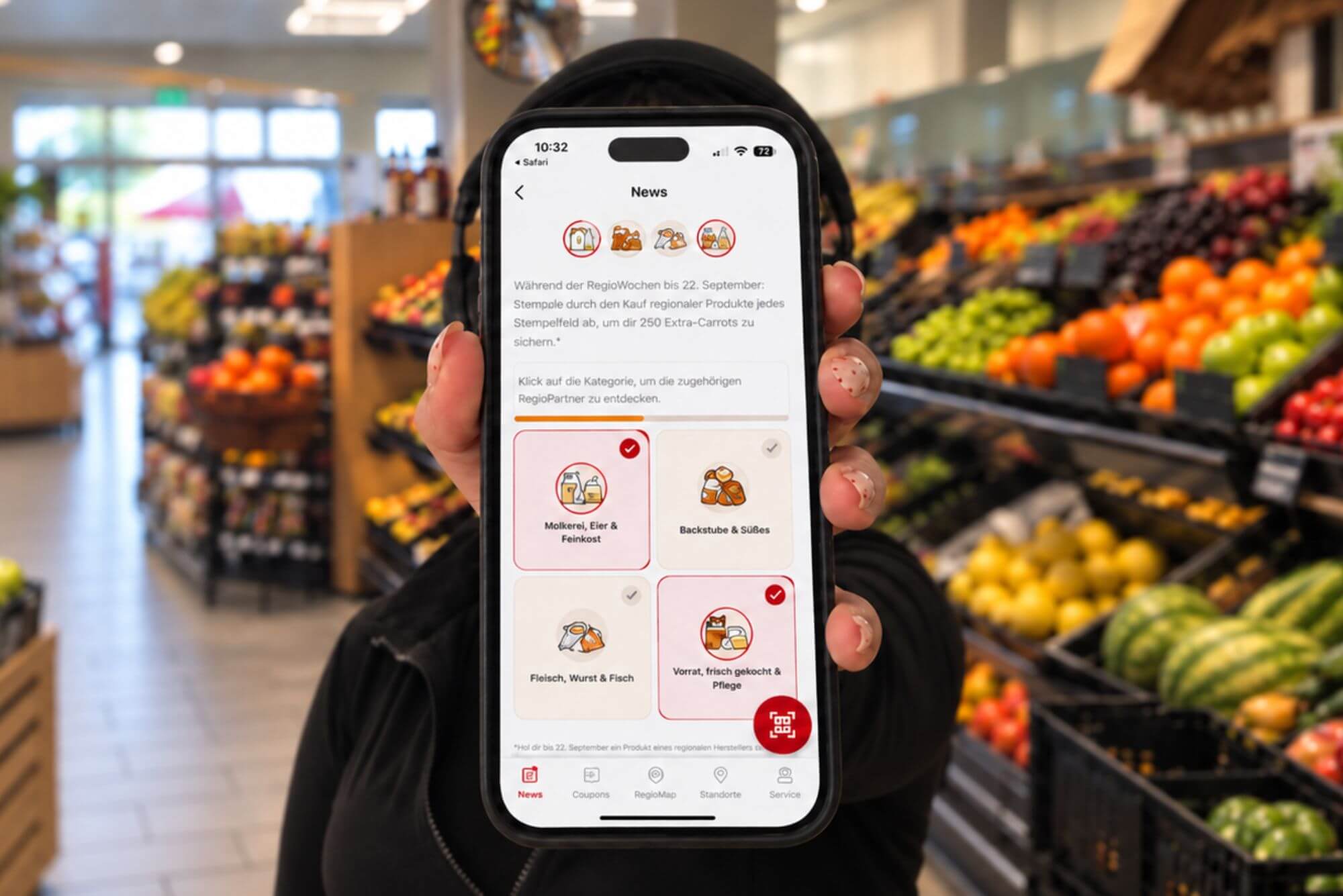
The first step is almost always a digital customer profile with a usable access medium.This can be a wallet pass, a QR code in the app, a personalized customer card, or the continued use of existing RFID media. It's crucial that the visitor is recognized upon admission, course booking, or additional purchase. Only then can bonus mechanics, renewal reminders, or status benefits be reliably deployed.

Personalization and Marketing Automation Instead of One-Size-Fits-All Communication
Pools have very diverse target groups: families, frequent swimmers, sauna guests, course participants, school swimmers, and tourist day visitors. Good loyalty software automatically segments these groups and delivers relevant content, such as reactivation before the season starts, birthday benefits, notifications about available off-peak times, or offers for the next swimming course. This is relevant because, according to loyalty studies, about two-thirds of DACH consumers appreciate personalized offers, and 46% are willing to share data for more relevant rewards.

Couponing, Capacity Management, and Cross-Selling
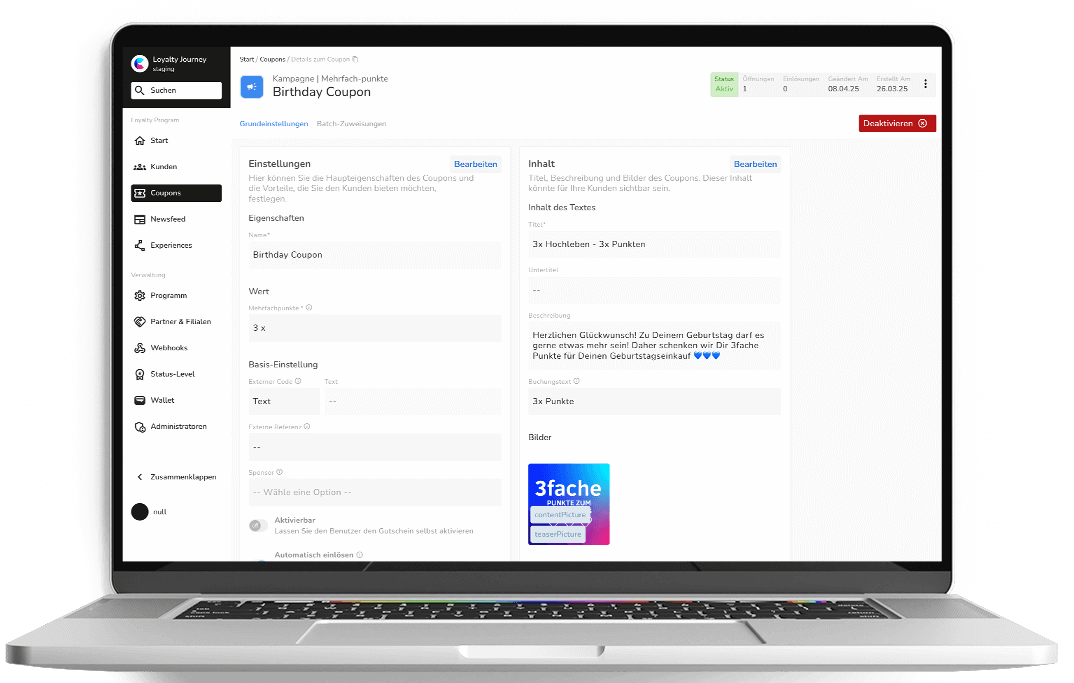
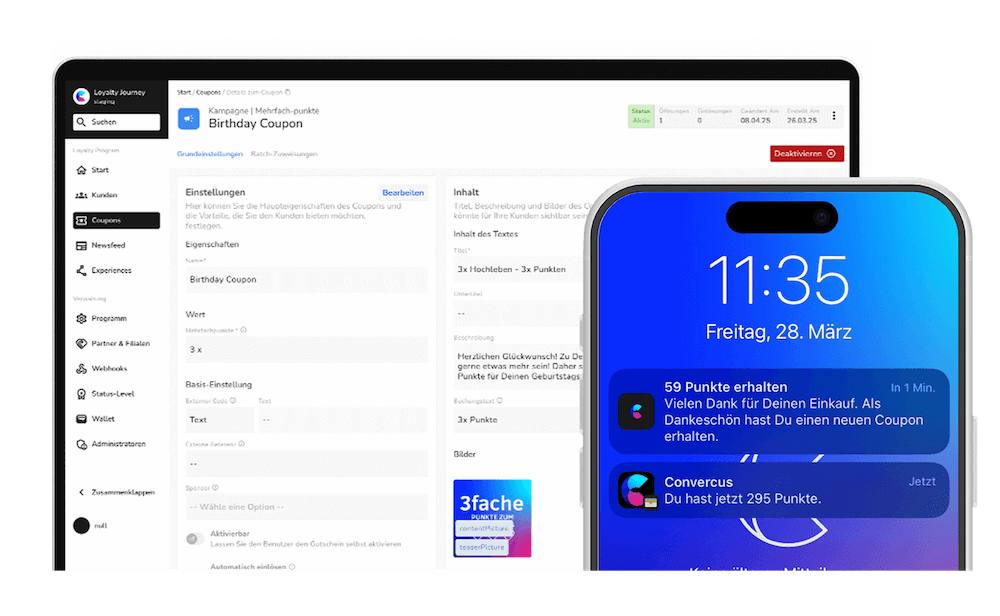
In pool operations, it's not just admission that's interesting. The real leverage often lies in saunas, gastronomy, courses, and events.With digital couponing, incentives can be specifically set for Tuesday mornings, bad weather days, or less utilized indoor pool times. At the same time, swimming courses, family packages, or wellness upgrades can be linked with suitable benefits. For operators with multiple touchpoints, solutions that combine loyalty, couponing, and engagement are particularly interesting. According to Convercus' experience, app-based programs can achieve up to 8x higher customer interactions than without an app – a significant value if you currently communicate almost exclusively via notices and cash register displays.
Practical Examples: How German Pools Are Already Using Digital Customer Loyalty Today
KölnBäder: Digital Loyalty Card as a Transition from Discount to Relationship
KölnBäder has replaced classic 10-visit passes with digital loyalty cards available in several price tiers. The credit is stored in the online account and is not time-limited,making the card usable across all channels. The transformation idea is particularly interesting: the shift from analog to digital is actively promoted, rather than just copying old mechanics online.
WasserWelten Bochum: QR Code and Wallet as a Practical Standard
The bonus card is personalized, usable via QR code, and directly importable into the wallet app. This turns the customer card into a permanent mobile touchpoint instead of a piece of plastic forgotten in a wallet.
Bademaxx Speyer and Berliner Bäder-Betriebe: Loyalty Pricing and Subscription Logic
At Bademaxx, loyalty benefits are linked to municipal utility customers; Berliner Bäder-Betriebe relies on predictable, recurring revenue with a frequent swimmer subscription. Both examples show that loyalty in the pool market doesn't have to be reduced to points.Discount cards, subscriptions, wallet passes, and partner logics can coexist as long as they contribute to a common goal: more identification, more repeat visits, more manageable demand.
The common denominator of these examples is clear: Digital customer loyalty in the pool market usually starts with a pragmatic first use case and then evolves incrementally. This approach is more realistic for municipal and private operators than a big-bang relaunch.
The Underestimated Business Case: How Loyalty Pays Off in Swimming Pools
Because municipal admission prices often need to remain socially acceptable, the ROI of loyalty in pool operations is frequently underestimated. Profitability arises not only from more admissions but also from higher renewal rates, increased additional revenue, and better capacity utilization.Loyalty is particularly effective where an operator combines indoor pools, outdoor pools, saunas, courses, and gastronomy.
This example calculation is illustrative but demonstrates the correct logic. Key KPIs are not just revenue, but also churn rate, customer lifetime value, and the proportion of identified visits.Those who only look at single admissions underestimate the value of early-bird mechanisms, automatic win-back, and cross-selling between the pool, sauna, and course offerings.
- The renewal rate of season and annual passes is often the strongest loyalty indicator in the pool market.
- The proportion of identified visits shows how large your manageable visitor base actually is.
- Additional revenue per guest reveals whether loyalty merely distributes discounts or truly activates added value.
- Utilization during off-peak hours shows whether your program also improves operational efficiency.
Technical Integration: Connecting Loyalty with POS Systems, Online Ticketing, and Access Control
The biggest hurdle is rarely the idea, but rather the system landscape. In many pools, POS systems, online ticket shops, course software, gastronomy POS, and access control run in parallel. Loyalty software must integrate these silos via interfacesinstead of creating another data silo. Relevant market environments include those with EWV, Gantner, Scheidt & Bachmann, or Sievert. The manufacturer's name is not the deciding factor, but rather whether transactions, customer numbers, and redemption logics can be cleanly integrated.
Which Interfaces Truly Matter in Pool Operations
- The solution should be able to process admission, POS, and booking data so that earn and redeem logics function in real-time or near real-time.
- It should allow existing access media such as QR codes, barcodes, RFID chip cards, or wristbands to continue to be used, preventing unnecessary media breaks.
- It should be able to consistently apply coupon validation and benefit logics at the POS, in the online shop, and ideally also in the app.
- It should be able to transfer consent status and customer data to CRM, BI, or marketing systems without making manual exports a permanent state.
Why an API-First Architecture Is So Important
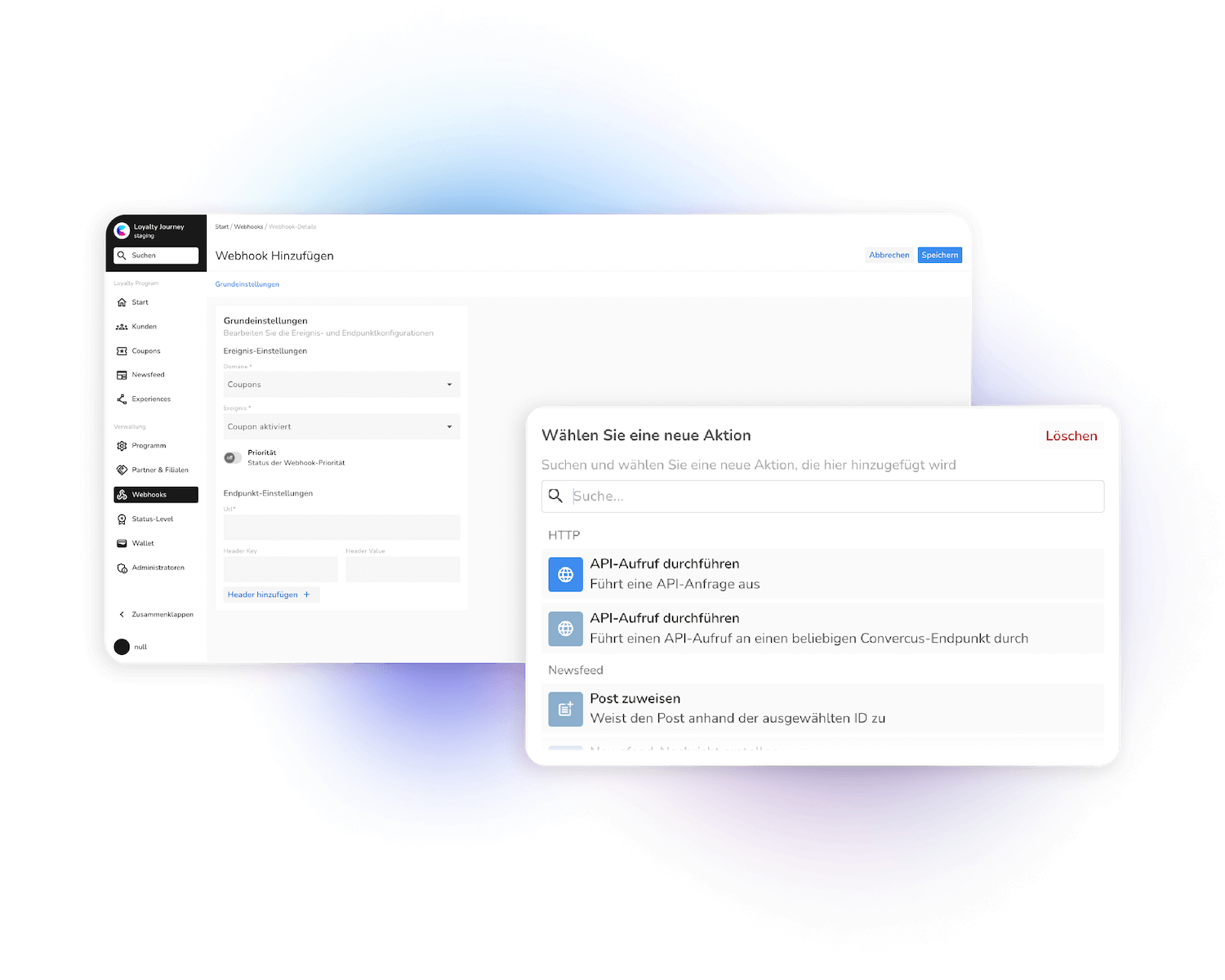
Especially for municipal pool associations or public utility structures, an open, API-based architecture is crucial. It allows for a gradual rollout: first a digital loyalty card, then couponing, later an app, status model, or partner logic. For operators with a more complex system landscape, it's worth looking at an API-First approach in Tech & Integrationbecause it allows existing processes to be modernized without jeopardizing core operational business at the cash register.
Data Protection & GDPR: Legally Compliant Use of Visitor Data in Swimming Pools
The GDPR is not a showstopper, but it requires clean processes. Art. 5 GDPR defines purpose limitation, data minimization, and transparency;Art. 6 para. 1 lit. b GDPR can cover processing for contractual purposes, such as for season passes, course bookings, or customer accounts. For personalized advertising, newsletters, or individual benefit communication, Art. 6 para. 1 lit. a GDPR is often relevant, meaning effective consent.
Which Obligations Are Particularly Important in Practice
Visitors must be clearly informed according to Art. 13 GDPR about what data is collected for what purpose. With software providers, a data processing agreement (DPA) according to Art. 28 GDPR is usually required. Art. 25 GDPR demands Privacy by Design, and Art. 32 GDPR requires appropriate technical and organizational measures. For email marketing, furthermore, § 7 UWG is relevant; in practice, you should rely on clean opt-ins and double opt-in processes. If cookies or comparable storage technologies are used in the webshop or app for purposes that are not strictly necessary, then additionally § 25 TTDSG to be considered.
For aquatic facilities, this specifically means: Start with clear objectives, such as season pass management, benefit communication, or reactivation. The more meticulously consent, logging, and role distribution are established, the more legally compliant personalization can be operated.. Data protection doesn't impede loyalty; it simply demands professionalism.
Checklist: Is Your Aquatic Facility Ready for a Loyalty Program?
Many facilities don't need to wait for a perfect level of digitalization. What's crucial is that the foundations are in place or can be built up within a realistic project plan. A good starting point is often smaller than you think: a digital benefits card, cross-seasonal communication, and initial coupon mechanics are often sufficient to generate reliable results.
- You can uniquely identify visitors via a customer account, a wallet pass, an app, or an existing RFID medium.
- Your ticketing or POS system can export transactions or provide them via an interface, allowing visits and purchases to be assigned to a profile.
- You have defined at least one clear business objective, such as higher season pass renewals, more course bookings, or better utilization during off-peak hours.
- You have a robust process for consents, data protection notices, and collaboration with service providers in accordance with GDPR.
- You can deliver content and offers tailored to specific target groups, instead of just publishing general price lists.
- You view the program not just as a discount card, but also as a tool for customer re-engagement, cross-selling, and visitor management.
If several points are still pending, that's not a disqualifying factor. Then the project should only be planned in phases. Strategies for customer win-back and an app-centric approach, as described in the article on App-First-Loyalty are also helpful.
Conclusion: Now is the Right Time for Digital Customer Loyalty in Aquatic Facilities
The aquatic industry has reached a point where traditional season passes, multi-visit passes, and isolated ticket shops are no longer sufficient. Those who digitally identify visitors can actively manage repeat visits, additional revenue, and capacity utilization instead of just managing admissions. The leverage is particularly significant with cross-seasonal communication, municipal utility synergies, and cross-selling between the pool, sauna, courses, and gastronomy.
For larger aquatic facility groups, thermal spas, or leisure and hospitality operators with more complex requirements, it's worth looking into Convercus as Loyalty Software. The platform combines loyalty, couponing, engagement, and API-first integration, making it well-suited for projects that aim not just to digitize a card, but to build a scalable customer relationship. Schedule a personal demo, if you want to explore how your aquatic facility can systematically develop towards digital loyalty.
FAQ
How complex is it to get started with a loyalty program for an aquatic facility?
Getting started doesn't have to be a major project. Many aquatic facilities start with a digital benefits card, a wallet pass, or a simple customer account, and later expand with couponing, automation, or status models. A clear initial use case is important, for example, season pass renewal or reactivation after the outdoor pool season.
Does loyalty software work with our existing POS or cash register system?
In many cases, yes, provided that data can be supplied via an interface, export, or API. The integration capability of the system landscape is crucial, not whether a specific "aquatic facility loyalty software" already exists. Before starting the project, you should check how admissions, additional sales, and customer numbers can be technically linked.
Is loyalty software economically viable for municipal aquatic facilities, even if admission prices are low?
Yes, if the business case is calculated correctly. The ROI often comes from renewal rates, additional revenue, and capacity management rather than purely through price increases. Especially for facilities operating at a deficit, this can make a noticeable economic difference.
Can a loyalty solution be implemented in compliance with GDPR?
Yes, as long as legal bases, information obligations, consents, and technical protective measures are properly implemented. Articles 5, 6, 13, 28, and 32 of the GDPR are particularly important as well as § 7 UWG for advertising communication. Data protection is therefore not a prohibition, but a framework for professional data usage.
What does loyalty software for aquatic facilities cost?
That depends heavily on the scope, integrations, and number of locations. The costs should always be weighed against the expected benefits, such as higher season pass retention, more course bookings, or additional food and beverage revenue. For many operators, a phased rollout is therefore more economically sensible than a complete overhaul.
Can existing season passes, value cards, or chip media continue to be used?
Often, yes. Many projects deliberately build upon existing QR, barcode, or RFID media, to minimize implementation effort and acceptance issues. Whether this is possible depends on your POS, access, and data model, and should be technically reviewed early on.


- 5x Return on Investment
- 80% Customer Identification
- 8x Customer Interaction
- +274% Repurchase Rate
.jpg)