










The topic at a glance
- Loyalty software for hotels is a direct booking driver. It helps reduce OTA dependency, build first-party data, and strategically increase repeat bookings.
- Integration trumps features. Seamless integration with PMS, Booking Engine, POS, and CRM is crucial to ensure benefits, points, and communication function automatically.
- Successful hotel loyalty doesn't just reward overnight stays. Personalized benefits, Wallet Passes, member rates, spa and restaurant offers, and automated engagement between stays make programs relevant.
- Convercus is a software for loyalty, couponing, and engagement. For hotel groups looking to implement loyalty strategically and technically soundly, Convercus offers an API-first approach with a focus on scalability, omnichannel, and operational feasibility.
Anyone looking for Hotel Loyalty Software is typically looking for more than just a digital points system. They're seeking a solution that drives more direct bookings, reduces OTA dependency, leverages guest data, and systematically cultivates repeat guests. This is precisely what distinguishes modern hotel loyalty from traditional discount campaigns.
For hotel groups, resorts, and ambitious independent hotels, loyalty is a strategic growth area today. It's not just the number of members that matters, but whether a program intelligently connects bookings, stays, ancillary revenues, and communication across all touchpoints.
Why Hotel Loyalty Software Will Be Business-Critical in 2026
The market dynamics are clear: Globally, hotel loyalty memberships in 2024 stood at approximately 675 million, up 14.5% year-over-year. At the same time, the supply of hotel rooms is growing significantly slower. Large chains show what is possible: According to the H2C Global Study, loyalty programs can influence up to 60% of total revenue for large hotel brands, and at Hilton, around 66% of occupancy recently came from member bookings. For medium-sized hotel groups, this is a clear signal: Loyalty is not an add-on, but a revenue driver.
Why Direct Bookings are Becoming a Key KPI
In the DACH region, the distribution side is the main driver. OTA bookings often cost 12% to 18% commission per booking, while repeat guests are on average significantly more valuable and, according to industry estimates, can spend around 60% more than first-time bookers. At the same time, activating existing guests is usually 5 to 7 times cheaper than acquiring new ones. Therefore, increasing your direct booking rate not only improves your margin but also reclaims first-party data. For more on the strategic framework, see our article on Customer Loyalty Software.
What Hotel Loyalty Software Truly Is
Distinction from CRM, PMS, and Booking Engine
A hotel loyalty solution is more than just points management. The PMS manages the operational stay, the booking engine handles the direct booking process, and the CRM manages guest data communication. Loyalty software connects these layers with clear rules: Who collects benefits when, which segments receive which benefits, how are direct bookers prioritized, and how is behavior before, during, and after the stay made measurable? Good systems ensure that individual data sets are transformed into a robust model for repeat bookings, upgrades, F&B revenue, and Guest Lifetime Value.
Which Program Types Make Sense for Hotels
In the hotel industry, there isn't one single right model. The guiding question is always: What behavior should be rewarded? For city hotels with business travelers, different mechanics work than for resorts with longer stays. Independent properties often benefit from simple instant advantages, while groups tend to work with tiered models, member rates, and personalized experiences.
Key Features of Hotel Loyalty Software
The best platform isn't the one with the longest feature list, but the one with the greatest operational impact. Integration is more important than features, because a loyalty program only works if bookings, stays, ancillary revenues, and communication seamlessly converge.
- PMS and Booking Engine Integration is mandatory so that stays can be validated, points or benefits correctly triggered, and direct booker advantages visibly displayed.
- Segmentation and Personalization are crucial so that business guests, weekend guests, families, or wellness travelers don't all receive the same offers.
- Omnichannel Communication via email, wallet pass, app, front desk, and website keeps the program top-of-mind even between stays.
- Automation along the Guest Journey reduces manual effort and provides relevant triggers before, during, and after the stay.
- Reporting on Direct Bookings, Redemption Rate, and Repeat Bookings is necessary so that loyalty is managed as a business case, not just a marketing cost center.
PMS Integration, Booking Engine, and POS Must Work Together
If stay data in the PMS, restaurant revenue in the POS, and bookings on the website remain separate, data silos and Excel-based processes emerge. Good loyalty software connects these systems via API and automatically assigns bookings to the correct guest. In practice, hotels should check whether benefits are only triggered after a validated check-out, whether member rates are visible in direct bookings, and whether ancillary revenues from the restaurant or spa flow into the guest profile. Especially in heterogeneous system landscapes, the architecture is therefore central. For a technical look at interfaces, performance, and scalability, it's worth checking out Tech & Integration.
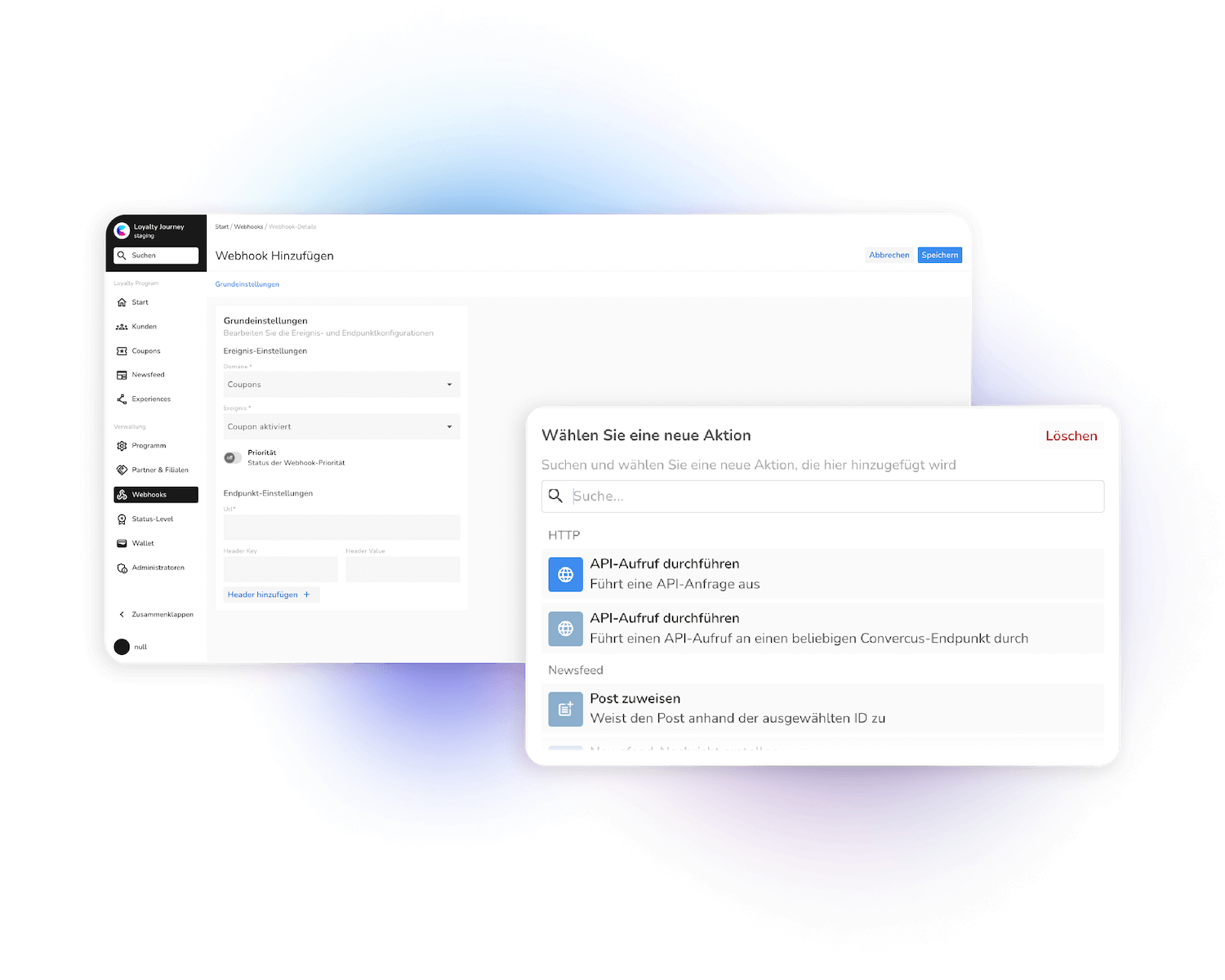
Personalization and Automation Turn Members into Active Guests
The real challenge for the hotel industry is the low contact frequency. Engagement between Stays therefore determines success more than in retail. Relevant triggers include pre-stay upsells, birthday benefits, re-engagement after 180 days without a booking, promotional impulses for the spa or restaurant, and personalized recommendations for the next stay. This is precisely where loyalty in 2026 is shifting from a points system to a Retention Operating System.
Modern programs work with first-party data from bookings, stays, and campaign responses. This ensures that member rates, upgrades, late checkouts, local experiences, or coupons are not offered indiscriminately, but rather segment-based. Those who want to delve deeper into marketing automation and lifecycle communication can find further content on Engagement and App-first Loyalty.

How Hotels Choose the Right Software
Five Questions Before Vendor Selection
Before comparing demos, the property should clarify its vision. Loyalty is a business decision, not purely an IT project. Those who start without a clear goal often buy many features but still don't solve the actual problem.
- What behavior needs to be changed? Typical goals include more direct bookings, more repeat bookings, higher spa or F&B revenue, or better activation of dormant guests.
- Which guest segments are strategically relevant? A city hotel focused on business travel needs different triggers than a wellness resort with high seasonality.
- Which systems absolutely must be integrated? Without a reliable connection to PMS, Booking Engine, POS, and CRM, loyalty remains an isolated tool.
- How easily does the guest understand the added value? Complex points formulas often reduce willingness to participate, while clear direct booker benefits have a quicker impact.
- How is success measured? Meaningful KPIs include direct booking share, repeat booking rate, redemption rate, ancillary revenue, and active member share instead of mere registrations.
GDPR, UWG, and TTDSG are mandatory, not optional
In the DACH region, a loyalty solution must be set up in a legally compliant manner regarding data protection. Article 6(1) GDPR regulates the legal bases for processing personal data, Article 13 GDPR the information obligations, Article 15 GDPR the right of access, and Article 17 GDPR the right to erasure. Hotels should therefore check whether consents are documented, data is minimized, deletion periods are mapped, and role and rights concepts are properly implemented. A data processing agreement according to Article 28 GDPR is also mandatory.
Additionally, for advertising communications, § 7 UWG and, for tracking, regularly § 25 TTDSGapply. This particularly concerns email marketing, push communication, cookie-based personalization, and web tracking in the booking process. Also practically important are robust consent management, documented technical and organizational measures, and clear processes for data export and data deletion. Especially for hotel groups with multiple properties, it should also be checked which entity is the controller and how data is processed across properties.
Example Calculation: How Hotel Loyalty Can Pay Off
Illustrative Calculation Example for a Hotel Group
When making investment decisions, ultimately it's not features that count, but the impact on results. Even just 15 percentage points more direct bookings can trigger significant financial leverage. The following example is illustrative but accurately reflects typical management case considerations.
What to Look for in the Business Case
The example illustrates the basic logic: OTA savings, higher repeat bookings, more ancillary revenue, and better data quality work together. The strongest programs optimize not just rates, but behavior. It's important that hotels consider not only software costs but also reward logic, breakage, operational processes, training effort, and channel-specific margins. Those who view loyalty merely as a discount budget significantly underestimate the value of direct relationships, consents, and personalized marketing.
What Successful Hotels Will Do Differently in 2026
They Think Beyond the Overnight Stay for Loyalty
Successful programs reward not just the booking, but the entire guest journey. Restaurant, Spa, Upgrade, Late Checkout, and Local Experiences are often more effective than mere point accumulations. This is especially true for resorts, wellness hotels, and brands with a strong experience promise. At the same time, ancillary revenues can be systematically increased without constantly putting pressure on room rates. For targeted offer logics around benefits, vouchers, and promotional mechanics, even Couponing can be a valuable component.
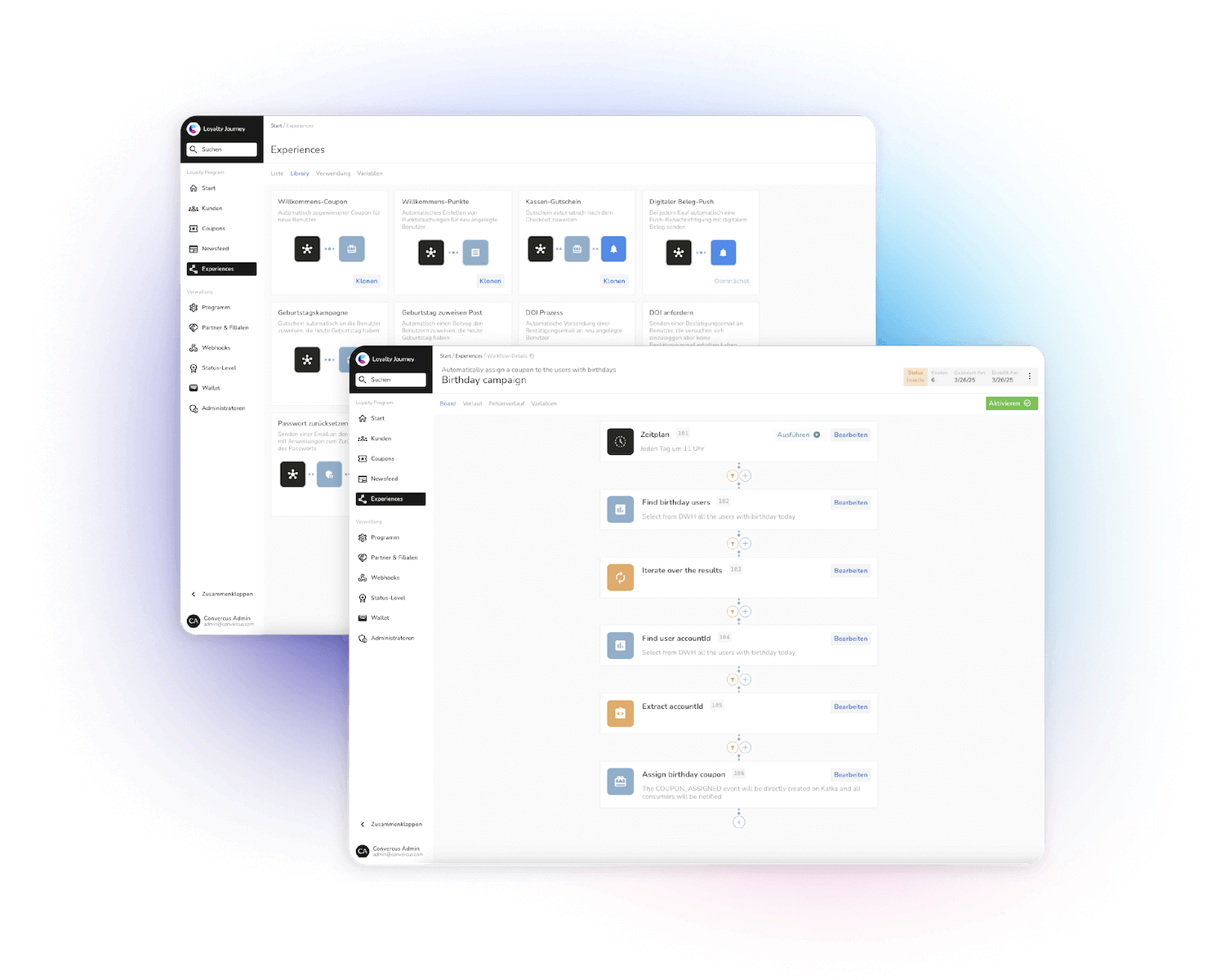
They Focus on Simplicity, Experiences, and Mobile Usage
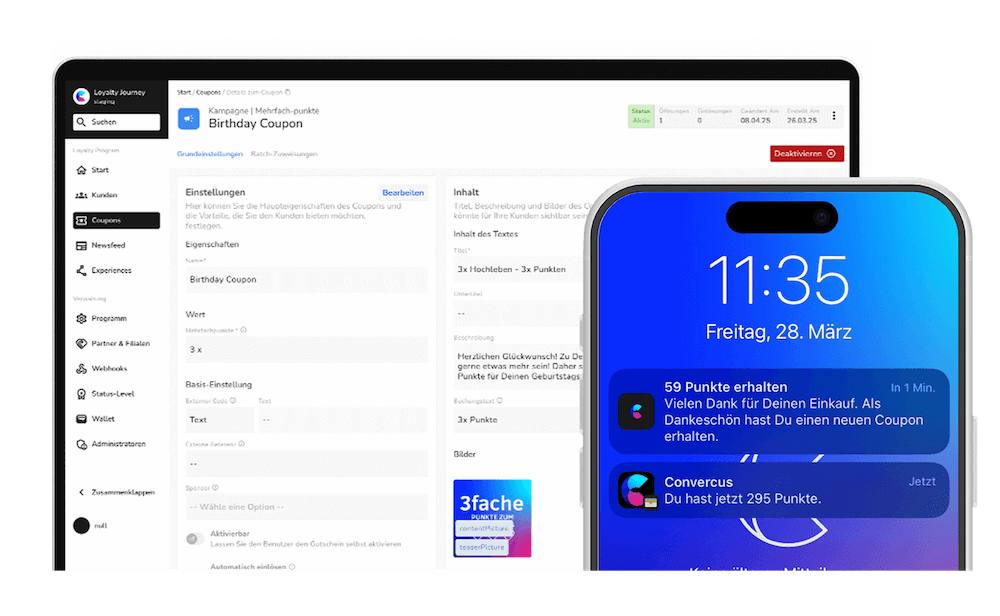
The trend for 2025/2026 is clear: clear benefits outweigh complex rule sets. Guests expect transparency, immediate value, and relevance at the moment of decision. This could be an exclusive member rate, a guaranteed late checkout, a digital membership card in their wallet, a challenge for off-season stays, or a regional partner benefit. At the same time, AI-powered personalization, real-time communication, and sustainable, paperless processes are gaining importance.
For mid-market hotel groups that don't view loyalty in isolation but want to connect it with direct bookings, couponing, and marketing automation, Convercus is an obvious choice. The tangible benefit lies in the combination of a loyalty engine, API-first integration, digital wallet passes or a white-label app, and automated engagement throughout the guest journey. This allows loyalty to be implemented seamlessly and operationally, without the front office, marketing, and IT having to work with multiple siloed solutions.
Conclusion: Hotel loyalty software must bring together revenue, data, and direct bookings
Today, hotels don't need another siloed system, but a solution that direct bookings, guest retention, and personalization transforms into a robust operating model. Those who properly set up their target vision, program design, integration, and compliance can reduce OTA costs, increase repeat bookings, and systematically build guest lifetime value. If you'd like to explore how a scalable loyalty solution can be implemented for your hotel group, speak with Convercus or arrange a personal live demo.
FAQ on Loyalty Software for Hotels
Does a hotel really need its own loyalty program?
Yes, as soon as direct relationships and repeat bookings become strategically important. Its own program creates incentives for direct bookings, improves data sovereignty, and makes additional revenue from spa, restaurant, or upgrades more accessible.
How complex is the implementation of a loyalty program?
The effort primarily depends on the system landscape and program design. Modular SaaS solutions significantly shorten implementation if PMS, booking engine, POS, and CRM are clearly defined and integrated, and the target vision is established before project start.
Is hotel loyalty software GDPR compliant?
It can be operated in compliance with GDPR if legal bases, consents, information requirements, data deletion policies, and data processing agreements are properly implemented. Data protection is not a feature, but an operating modelthat software, processes, and legal texts must collectively cover.
Does this work with our existing PMS or POS system?
In many cases, yes, provided the solution is API-based or supports well-defined data interfaces. Integration capability is crucial, not just a pretty interface. Before purchasing, hotels should thoroughly check data flow, trigger logic, and write-backs.
How much does loyalty software for hotels cost?
Costs depend on the number of properties, users, feature set, integrations, and reward logic. ROI is more important than the list price: Even a few percentage points more in direct bookings or repeat bookings can economically justify the investment.
Can we migrate an existing program?
Yes, typically, member data, point or status levels, and communication logic can be transferred. A seamless migration begins with data quality, mapping, and clear transition logic, ensuring that loyal guests don't lose benefits and the front office can operate smoothly.


- 5x Return on Investment
- 80% Customer Identification
- 8x Customer Interaction
- +274% Repurchase Rate


.png)