








The topic briefly and concisely
- Loyalty software for airlines is now a strategic asset. It manages not only miles and status levels, but also partner revenues, data, liability, and customer engagement.
- Key trends include dynamic award pricing, AI personalization, and non-airline ecosystems. Therefore, modern platforms must be capable of much more than traditional earn-and-burn logic.
- For selection, architecture and integration capabilities are just as important as features. API-first, PSS connectivity, GDPR, fraud detection, and finance reporting are key decision criteria.
- Convercus, as loyalty software, is particularly relevant when a flexible, modular solution for engagement, couponing, wallet passes, and rapid integration is sought. This is especially appealing for organizations looking to modernize their loyalty setup without embarking on a rigid, monolithic project.
Airline loyalty software is now more than just a frequent flyer backend
Anyone searching for "Loyalty Software Airline" is typically not evaluating a nice-to-have feature, but a strategic core platform for revenue, customer retention, and partner business. In recent years, airline loyalty has evolved from a marketing discipline into a standalone asset. Programs like SkyMiles, AAdvantage, or Miles & More are not just retention tools, but revenue engines with significant balance sheet and cash flow impact.
The market has shifted noticeably: co-branded credit cards, hotel and retail partners, dynamic award pricing, sustainability incentives, and AI-powered personalization significantly increase software requirements. At the same time, many airlines still operate with legacy solutions tightly coupled to their Passenger Service Systems. The result is long release cycles, high integration costs, and slow innovation.
For decision-makers, this means: Not every loyalty platform is automatically suitable for airlines. Beyond earn-and-burn logic, topics such as alliance compatibility, partner billing, fraud detection, liability management, and GDPR-compliant data processing must be mastered. Anyone seeking a broader overview of modern customer loyalty software should always evaluate airline-specific requirements separately.
From Marketing Tool to Profit Center
The economic relevance is now hard to overlook. Delta SkyMiles was recently valued in market discussions at around $26 billion. According to market reports, Delta received $8.2 billion from American Express in 2025, American Airlines reported $6.2 billion from co-brand partnerships, and United achieved approximately $1.5 billion in loyalty revenue in Q1 2025 alone. This demonstrates: Loyalty software not only drives campaigns but also the monetization of a company's proprietary customer currency.
Why Legacy Systems Become a Growth Risk
Many established FFPs are based on monolithic structures from the 1990s and 2000s. Even minor rule changes for status qualification, award pricing, or partner earning then entail extensive IT projects. What once provided stability now hinders innovation – especially when new partners need to go live in weeks instead of quarters.
Five Trends Shaping Airline Loyalty Software in 2025/2026
The requirements for airline loyalty platforms are currently being redefined by five developments. Firstly, the focus is shifting from classic distance-based logic towards revenue-based earning and dynamic award pricing. Since June 2025, Miles & More has abandoned the fixed award chart for Lufthansa Group airlines – a clear indication of where the market is heading.
Secondly, loyalty programs are broadening. The largest revenue is no longer generated solely by flights, but by credit cards, hotels, mobility, retail, and lifestyle partners. According to estimates, today, for many programs, more than 70% of loyalty revenue comes from non-airline partnerships. A modern platform must therefore manage not just flight segments, but an entire ecosystem.
Thirdly, personalization is becoming operational. AI-powered segmentation, real-time offers, and behavior-based journeys transform standardized mailings into context-specific interactions. Fourthly, paid loyalty and subscription models are emerging, for example, for priority benefits, fast track, or seat services. Fifthly, sustainability is gaining relevance, for instance, through bonus miles for green fares or CO₂ compensation offers. Loyalty software thus becomes the control system for the entire customer relationship.

Dynamic Pricing Replaces Rigid Award Charts
For airlines, dynamic award pricing is not just a pricing logic, but a technical challenge. The platform must reconcile availabilities, fare logics, partner rules, booking classes, and revenue targets. Without a flexible rule engine, dynamic pricing remains an expensive special project instead of a manageable instrument.
The Next Wave of Growth Comes from Non-Flight Use Cases
The greatest untapped potential often lies not with top frequent flyers, but with occasional travelers. Those rewarded only for intercontinental flights remain invisible to a large portion of customers in their daily lives. Successful programs like Avios or Qantas show that everyday relevance through partners, wallets, app touchpoints, and challenges can significantly increase usage frequency.
What Modern Airline Loyalty Software Must Functionally Deliver
At its core, an airline platform needs robust logic for accrual, redemption, status management, and partner billing. In practice, however, this is no longer sufficient. The crucial factor is whether earn rules can be modeled by ticket price, booking class, route, fare, segment, ancillary, or partner revenue – and without months-long development projects. In the airline context, configurability is not a convenience feature, but a business factor.
Equally central is the redemption side: award flights, upgrades, cash-and-points models, vouchers, merchandise awards, or CO₂-related benefits must be cleanly orchestrated. In addition, there's tier management with status levels, qualification windows, soft-landing mechanisms, and differentiated privileges. Especially in alliances, it's relevant how rules are consistently aligned between the main airline, partner airlines, and non-air partners.
Airlines should also not underestimate analytics, fraud detection, and liability reporting. The larger the program, the more critical a precise view of breakage, deferred revenue, redemption behavior, campaign effectiveness, and partner profitability becomes. A good platform combines operational flexibility with financial controllability.
Key Modules That Must Be on Your Shortlist
- A powerful earn-and-burn logic must map flights, ancillaries, co-brand revenues, hotel and retail partners, and special promotions within a consistent rule set.
- Robust tier management must transparently control status qualification, benefits, requalification, soft landing, and time-limited privileges.
- Partner management must efficiently support onboarding, settlement, reporting, and the management of multiple currencies or valuation units.
- Analytics and fraud detection must provide real-time visibility into abuse, campaign effectiveness, breakage, and liability, rather than just issuing historical reports.
Why Couponing, Wallet, and Engagement Are Becoming More Relevant
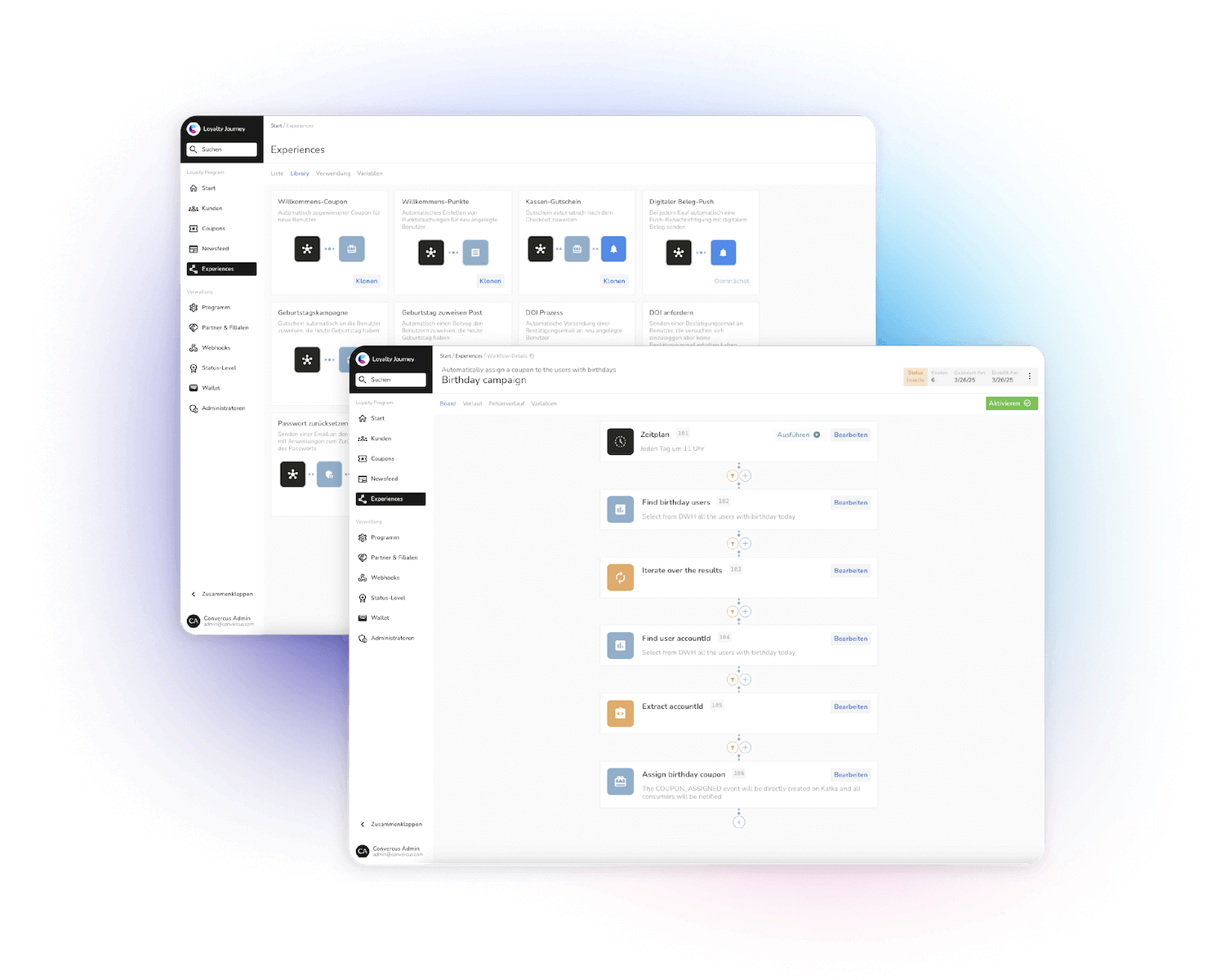
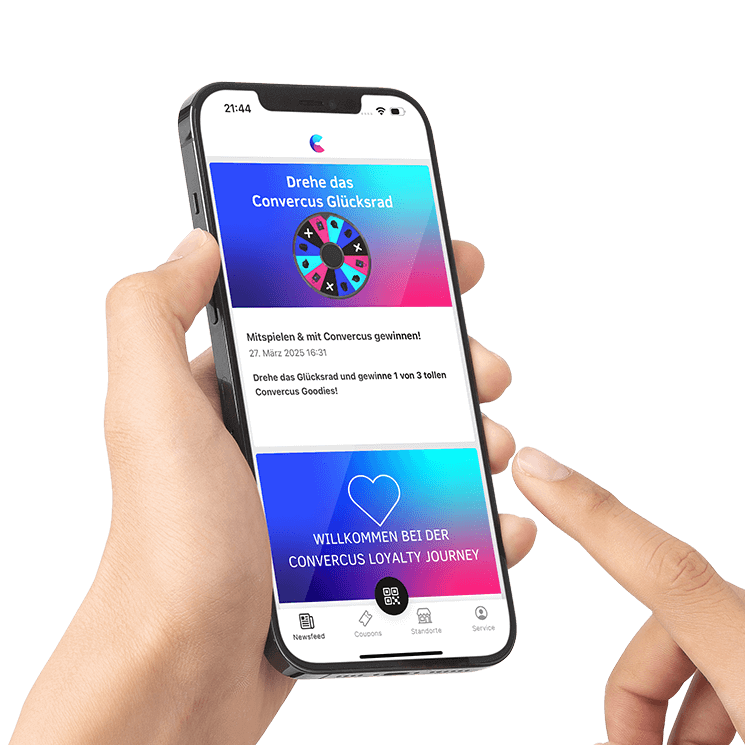
Especially for occasional flyers, digital touchpoints beyond the actual flight are growing. Couponing for ancillaries, wallet passes, status reminders, challenges, or app-based benefits help to remain relevant even between trips. Those who expand their engagement strategy and their couponing often unlock additional first-party data and more activity outside of classic FFP mechanics.
Technical Requirements: API-First, PSS Integration, Security, and Compliance
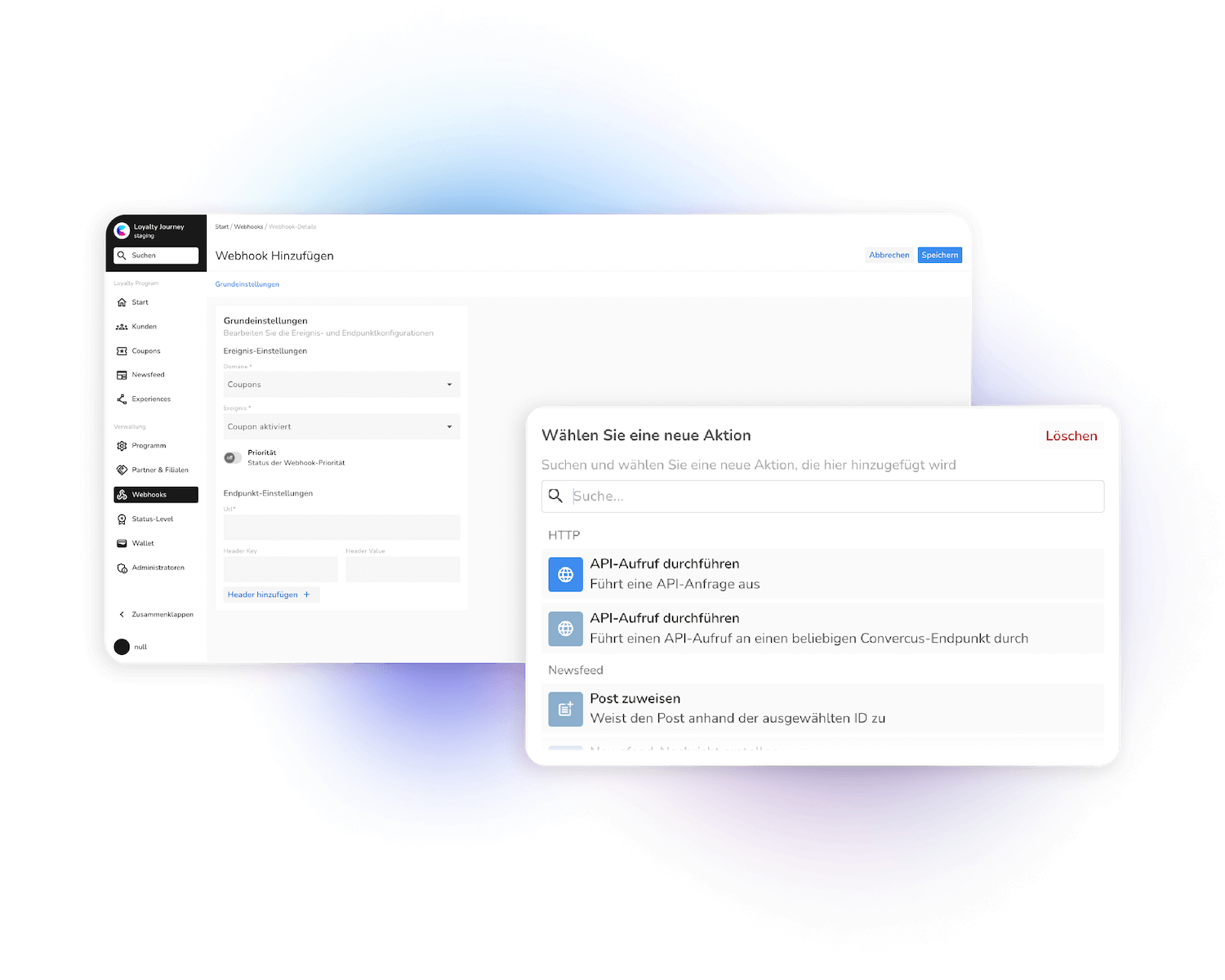
For IT decision-makers, the functional feature list is only half the battle. The real question is: How cleanly does the loyalty solution integrate with PSS, CRM, app, web, data warehouse, POS-like partner touchpoints, and payment systems? API-First is not a buzzword here, but a prerequisite for ecosystem speed. If every new partner connection becomes a standalone project, the airline loses valuable time-to-market.
Relevant aspects include REST or event-based interfaces, multi-tenancy, high availability, monitoring, idempotency for transactions, and an architecture that remains stable even with millions of bookings, status updates, and redemptions. Especially in migration projects, it should be clear which functions remain close to the PSS and which are operated as an independent loyalty layer.
In the DACH and EU context, legal requirements are added. For personalized loyalty communication, in particular, Art. 5, Art. 6 para. 1 lit. a and lit. b, Art. 25, Art. 28 and Art. 32 GDPR are relevant. For email advertising and consent management, furthermore, § 7 UWG plays a central role. If app or web tracking technologies are used, often also § 25 TTDSG needs to be checked. Anyone processing data with service providers requires robust data processing agreements and a clearly documented role concept.
Deferred Revenue Is Not a Reporting Detail
For large programs, balance sheet representation is a core issue. Unredeemed miles create liabilities that, according to IFRS 15 , in many cases, must be recognized as a distinct performance obligation. Software should therefore not only book points but also provide reliable data for liability models, breakage estimates, and revenue recognition.
GDPR-Compliant Personalization Requires Architecture, Not Just Consent Banners
Many programs fail not due to a lack of data, but due to poor data organization. Data protection-compliant personalization requires data minimization, role-based access, encryption, deletion concepts, and Privacy by Design. Especially for airline programs with international partners, governance is as important as feature depth.
Vendor Overview: Which Loyalty Platforms Are Relevant for Airlines
The market for airline loyalty software is more manageable than in retail, but significantly more specialized in its domain. Some providers come directly from travel IT and are deeply integrated with PSS or airline processes. Other platforms are more modular if the focus is more on engagement, partner ecosystems, personalization, or a flexible loyalty layer. The best choice therefore depends more on the target vision than on the feature catalog.
What You Should Really Look For When Choosing a Vendor
A shortlist should not be evaluated solely based on feature slides. The crucial factors are how quickly rules can be adapted, how partners are integrated, how robust real-time transactions are, and how seamlessly liability, security, and reporting interact. Particularly important is the question of whether you need a complete airline suite or a flexible loyalty and engagement layer. The latter can be particularly useful if an existing core system is to remain in place, but digital innovation needs to accelerate.
- Check whether the provider can implement dynamic award pricing and revenue-based earning through configuration rather than custom development.
- Demand a clear integration roadmap for PSS, CRM, app, data platform, and partners, ideally including responsibilities and latency expectations.
- Inquire about settlement, reconciliation, and reporting for credit card, hotel, and alliance partners, rather than just the onboarding process.
- Ask to see how fraud detection, role permissions, audit trails, and deletion concepts function in live operation.
- Evaluate not only license costs but also TCO, internal IT commitment, release speed, and vendor dependency.
The Business Case: Why a Modern Loyalty Platform Can Pay Off
The economic leverage of modern airline loyalty software lies in three areas: higher partner revenue, better redemption and margin control, and increased activity outside of core travel. A simple example illustrates the potential: An airline with 5 million members sells 1 billion miles annually to a co-brand partner at an average of 1.5 cents per mile. This would amount to approximately €15 million in revenue. If the internal cost of generating these miles is significantly lower, a substantial net contribution remains.
Additionally, there's the indirect effect on ticket revenue, ancillary sales, and first-party data. The large group of non-frequent flyers is particularly relevant. In many programs, the strategy still heavily focuses on the upper status tiers, even though a large portion of customers fly only occasionally. These 80% often represent the largest growth area – if the program becomes relevant in everyday life through partners, challenges, wallet mechanics, and personalized offers.
For internal budget approvals, the question "What does the software cost?" is therefore not enough. A TCO and ROI analysis over several years is more sensible: How much IT effort does the new platform save? How many partners can be monetized faster? How much does the time-to-market for new campaigns decrease? Those who systematically focus on increased customer loyalty and reactivating inactive members not only improve interaction but often also the overall program's profitability.
The operational ROI question is often: How quickly can we become more agile?
Many executives underestimate the opportunity costs incurred by sluggish systems. If an airline needs six months for a partner integration, four months for a new earn rule, or a quarter for a status campaign, that's not just an IT issue. It's lost revenue in a highly dynamic market.
How Airlines Modernize Their Loyalty Setup Without Losing Control
Reality is rarely a greenfield project. Most often, it's about gradual transformation: modernizing an existing FFP, building a more flexible engagement layer, decoupling partner logic from the core system, or expanding digital touchpoints like wallet, couponing, and apps. The most pragmatic approach is often a modular target architecture where core processes remain stable while customer-facing functions are renewed faster. This significantly reduces migration risk.
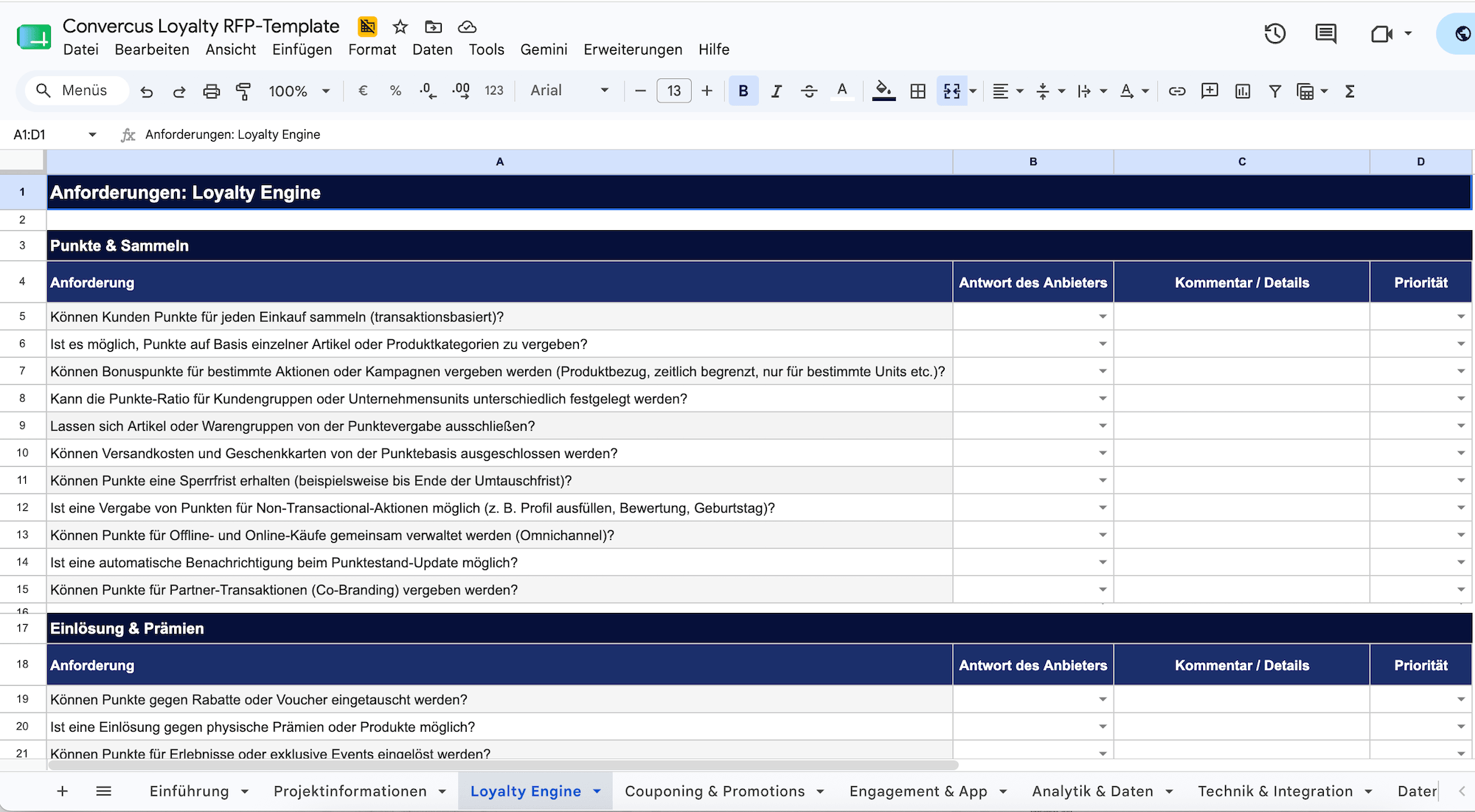
It is precisely in this context that a flexible, API-first platform becomes interesting. Convercus is not a PSS suite for airlines, but it is relevant for companies with complex loyalty and partner requirements when fast rule adjustments, omnichannel engagement, couponing, wallet passes, and modern integrations are paramount. The platform is established in the mid-market and enterprise environment, operates API-first, and connects Loyalty Engine, Loyalty, Engagement and Tech & Integration in a modular architecture.
For airlines, this is particularly exciting where the entire airline core system is not to be replaced, but rather an agile layer for personalization, benefits, couponing, and partner-based engagement is needed. Convercus brings proven scalability from large loyalty environments, including 40M+ loyalty accounts and 116M+ transactions in real programs from other industries.
- Start with a clear separation between the transaction-critical core and the customer-facing innovation layer, so that migration and ongoing operations can run in parallel.
- First, prioritize use cases with a direct business impact, such as partner onboarding, reactivation, wallet passes, or personalized ancillary offers.
- Define a data and consent model early on, so that personalization, reporting, and compliance do not have to be rebuilt later.
- Plan the migration along measurable releases instead of a big bang, so that business departments, IT, and finance can evaluate progress at any time.

Why App and Wallet Touchpoints are Important for Occasional Fliers
Someone who flies only two or three times a year needs different triggers than a Senator or Elite segment. Wallet passes, push-enabled touchpoints, challenges, and mobile services make loyalty visible between bookings. This is precisely why concepts like App-First Loyalty are gaining relevance in the travel sector.
Best Practices: What Strong Airline Programs Do Differently
A look at successful programs shows that the winners not only have more partners but also manage their model more consistently. Air France-KLM's Flying Blue is considered a benchmark because the program combines performance, partner network, and customer understanding. Avios is strong because it integrates the currency into everyday life – from shopping to travel bookings. Miles & More is particularly relevant in the DACH market because it systematically expands loyalty, payment, partnerships, and retail media potential. The future belongs not to the isolated frequent flyer program, but to the orchestrated ecosystem.
Growing airlines can also achieve quick results. The often-cited example of Bamboo Airways shows that a modern platform can enable strong member growth within the first 12 months. The lesson here: not only global network carriers benefit. What's crucial is whether the program can iterate quickly, integrate partners seamlessly, and effectively activate digital touchpoints.
The balancing act regarding devaluation is also particularly instructive. Dynamic award logic increases economic controllability but can also damage trust if transparency is lacking. Technologically sound loyalty software must therefore not only be flexible but also communicatively manageable – with clear rules, segmented communication, and understandable benefits.
What can be learned from these examples for software selection
If programs like Flying Blue, Avios, or Miles & More have one thing in common, it's this: They treat loyalty as a product, not as a static database. That's precisely why airlines should not just buy features, but the ability to continuously develop rules, partners, and customer experiences.
Conclusion: The Right Loyalty Software for Airlines Combines Revenue Logic, Partner Ecosystem, and Agility
Airline loyalty today is a financial asset, customer retention tool, and data engine all at once. Therefore, when evaluating a new platform, one should not stop at points, status levels, and award flights. Crucial factors are API-first architecture, partner capability, liability transparency, GDPR-compliant personalization, and fast time-to-market. This exact combination determines whether a program is merely managed or actively scaled.
If you, as an airline or travel brand, are looking for a flexible loyalty setup with a strong focus on engagement, omnichannel touchpoints, couponing, and fast integration, then Convercus is a relevant partner – especially if you don't want a rigid monolithic project, but rather a modern, modular solution. Schedule a personal demo and see how loyalty, partner activation, and customer engagement can be efficiently implemented in your system landscape.
FAQ
What's more important for airline loyalty software: feature set or integration?
Both go hand in hand, but in many projects, integration is the tougher success factor. A platform with many features is of little help if PSS, CRM, app, partners, and reporting are not properly connected. Especially for airlines, integration capability often determines real usability.
How complex is the implementation of new loyalty software for an airline?
That depends on the target vision. A complete replacement of the core system is significantly more complex than building a modular loyalty and engagement layer. Many companies therefore adopt a phased approach, initially modernizing partner logic, campaigns, wallet, or couponing. The pragmatic entry is rarely a big bang.
Can an existing frequent flyer program be migrated to a new platform?
Yes, but migration is usually a multi-stage transformation project. Member data, status histories, partner rules, redemption mechanics, and liability logic must be accurately transferred. Critical aspects include the testing strategy, parallel operation, and a clear definition of which functions are migrated in which phase.
Can loyalty software for airlines be implemented in compliance with GDPR?
Yes, provided that the architecture and processes are properly set up. Particularly important are legal bases under Art. 6 GDPR, transparency under Art. 13 GDPR, Privacy by Design under Art. 25 GDPR, secure processing under Art. 32 GDPR, and robust consent management. For advertising and tracking, § 7 UWG and, depending on the setup, § 25 TTDSG are also relevant.
What should CFOs and finance teams pay particular attention to?
To liability, breakage, partner revenues, and revenue recognition. Unredeemed miles are not a minor issue; they can have significant balance sheet implications. A suitable platform must therefore also consistently provide finance-relevant data, not just marketing reports.
For whom is it most worthwhile to start first if the program is still very flight-centric today?
Often, it's worthwhile to start with use cases that offer quick leverage: partner onboarding, reactivation of inactive members, personalized offers, wallet passes, and digital benefits between trips. This makes loyalty visible to occasional fliers without immediately rebuilding the entire program. Approaches to customer win-back can also be implemented much more systematically through this.


- 5x Return on Investment
- 80% Customer Identification
- 8x Customer interaction
- +274% Repurchase rate